
Is Residential Window Tinting Worth It? Cost, Benefits, and Long-Term Savings Explained
Homeowners today face rising energy costs, increasing concerns about privacy, and greater awareness of interior protection from harmful UV rays. As a result, residential window tinting has moved from being a luxury upgrade to a practical home improvement solution. Once commonly associated with vehicles or commercial buildings, window tinting for homes is now recognized for its ability to enhance comfort, improve efficiency, and protect long-term property value. With advancements in film technology, modern window tinting offers far more than darkened glass; it delivers measurable performance benefits backed by data and building science.
Still, many homeowners ask a critical question: Is residential window tinting worth the investment? The answer depends on understanding upfront costs, performance advantages, durability, and long-term savings. This guide explores the real financial implications, tangible benefits, and practical considerations of installing residential window tinting. By examining cost factors, energy efficiency gains, interior protection, and overall return on investment, homeowners can make informed decisions based on facts rather than assumptions. When evaluated properly, window tinting becomes not just an aesthetic upgrade but a strategic improvement to home comfort and sustainability.
1. Understanding Residential Window Tinting Costs
Before determining whether residential window tinting is worth it, it is essential to understand the cost structure and what influences pricing. Many homeowners hesitate because they focus solely on the upfront expense rather than evaluating long-term performance and savings. A clear breakdown of cost components helps shift the perspective from short-term spending to long-term value.
Installation Costs and Pricing Factors
Residential window tinting typically costs between $6 and $15 per square foot, depending on several variables. Larger homes with expansive window surfaces may see higher overall project totals, while smaller installations remain more modest investments. However, square footage alone does not determine final pricing.
Key factors that influence pricing include:
- Type of window film (dyed, metalized, ceramic, spectrally selective)
- Window size, shape, and accessibility
- Total square footage of glass surfaces
- Installation complexity (multi-pane, high elevations, specialty glass)
- Brand quality and manufacturer warranty coverage
For example, floor-to-ceiling windows or uniquely shaped architectural glass may require more labor precision, increasing installation time. Similarly, second-story windows may demand specialized equipment or safety measures.
High-performance ceramic or spectrally selective films typically cost more upfront but deliver superior heat rejection, UV blocking, and optical clarity without significantly darkening interiors. While entry-level films may appear attractive due to lower pricing, they often provide limited long-term performance.
Film Types and Performance Differences
Not all window films perform the same. Understanding the major categories allows homeowners to evaluate value beyond price alone.
- Dyed Films: Budget-friendly and primarily designed for glare reduction and basic privacy. While affordable, they offer limited heat rejection and may fade over time.
- Metalized Films: Contain microscopic metallic particles that reflect heat effectively. However, they can sometimes interfere with cellular signals, Wi-Fi, or radio reception.
- Ceramic Films: Utilize advanced nano-ceramic technology to block infrared heat while maintaining high clarity. They do not interfere with electronics and are known for durability and superior performance.
- Spectrally Selective Films: Engineered to block infrared radiation while allowing most visible light to pass through. These films are ideal for homeowners who want heat control without sacrificing brightness.
Investing in higher-quality films often results in better durability, longer warranties, and stronger energy savings over time. The difference in performance becomes particularly noticeable in homes with significant sun exposure.
2. Energy Efficiency and Utility Bill Savings
Energy efficiency remains one of the most compelling reasons homeowners consider residential window tinting. With energy costs continuing to rise, reducing cooling demand becomes both an environmental and financial priority.
Heat Reduction and Cooling Efficiency
Windows are a primary source of solar heat gain. During warmer months, untreated glass allows infrared radiation to enter the home, significantly raising indoor temperatures. As a result, air conditioning systems run longer cycles and consume more electricity.
High-quality residential window tinting can reduce solar heat gain by up to 50–80%, depending on film type, window orientation, and local climate conditions.
This reduction translates directly into:
- Lower air conditioning usage
- More consistent indoor temperatures
- Reduced hot spots near windows
Lower peak energy demand during high-usage periods
For example, west-facing living rooms often become noticeably warmer in the afternoon. Installing heat-rejecting window film can stabilize temperatures, improving comfort without overworking HVAC systems.
Long-Term Energy Savings Calculation
Consider a home spending approximately $250 monthly on electricity during peak summer months. A conservative 15–20% reduction due to improved window performance may result in annual savings between $450 and $600.
Over a 10–15 year lifespan, those savings can exceed the original installation cost. Additionally, less strain on the HVAC system can extend equipment lifespan, potentially delaying costly repairs or replacements.
In colder climates, while cooling savings may be less dramatic, certain window films also help retain interior warmth by reducing radiant heat loss. This balanced thermal performance contributes to year-round energy efficiency.
From an energy-management perspective, residential window tinting acts as a passive improvement—once installed, it continuously enhances performance without additional maintenance or operational cost.
3. UV Protection and Interior Preservation
Beyond energy savings, UV protection is one of the most overlooked yet financially impactful benefits of residential window tinting.
Protection Against Fading
Ultraviolet radiation significantly contributes to fading, discoloration, and material degradation. Even indirect sunlight can gradually damage interior finishes.
Items most vulnerable to UV exposure include:
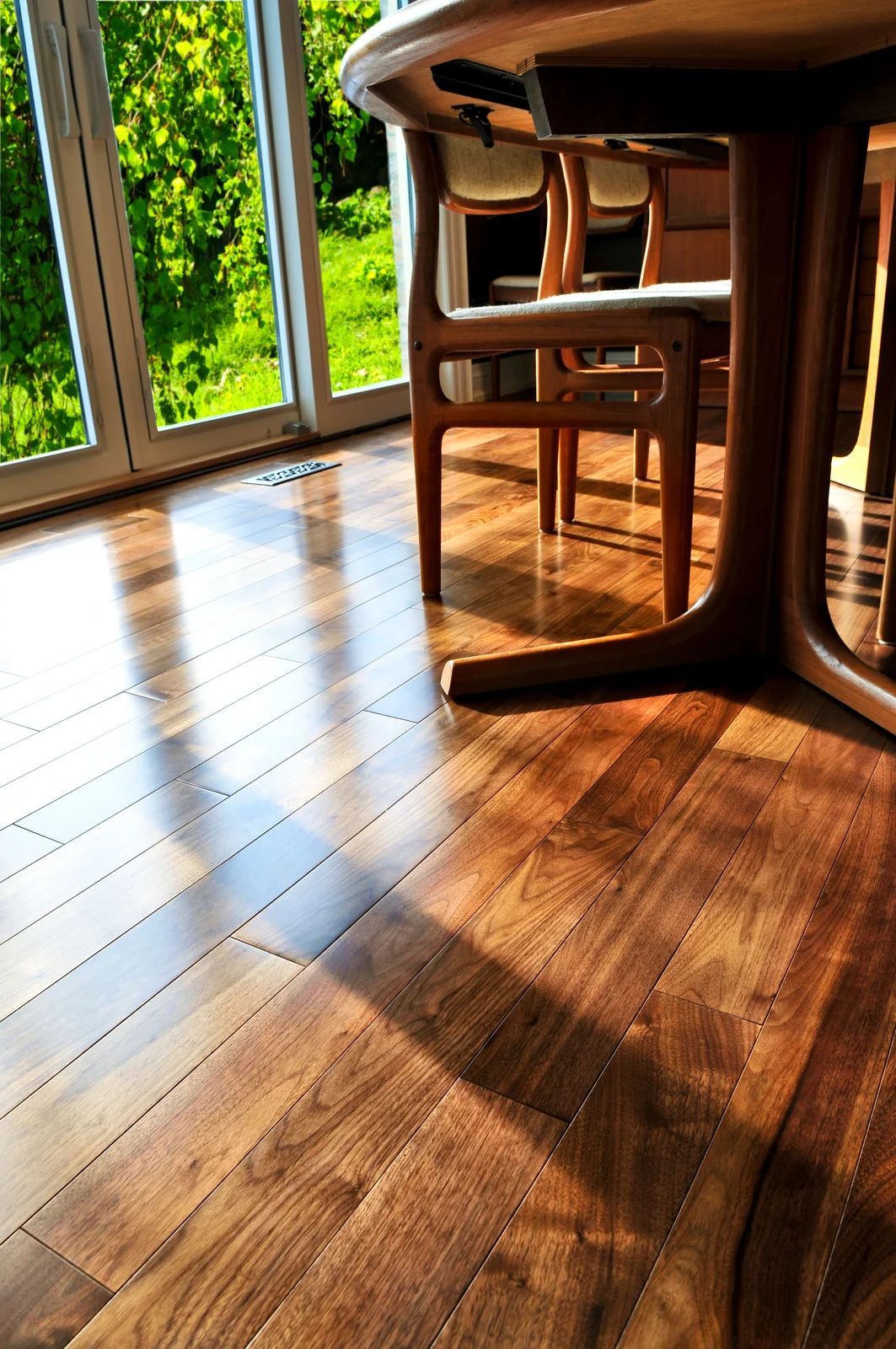
- Hardwood flooring
- Carpets and area rugs
- Upholstery and leather furniture
- Artwork and framed photographs
- Cabinets, trim, and decorative wood
Quality window films block up to 99% of harmful UV rays. Over time, this protection helps preserve interior aesthetics and prevents premature replacement costs.
For instance, refinishing hardwood floors or replacing custom furniture can cost thousands of dollars. By limiting UV exposure, window tinting extends the lifespan of these investments and reduces long-term maintenance expenses.
Health and Comfort Considerations
Standard window glass blocks most UVB rays but allows a significant portion of UVA rays to pass through. UVA rays penetrate deeper into materials and skin, contributing to long-term skin damage.
Residential window tinting reduces overall UV exposure, offering an added layer of indoor protection. While not a substitute for sunscreen, it provides consistent daily defense for homeowners who spend extended time near windows.
Glare reduction further enhances comfort. Excessive glare can strain eyes, disrupt television viewing, and interfere with remote work. By softening harsh sunlight without eliminating natural light, window film improves livability throughout the home.
4. Privacy, Security, and Safety Enhancements
Modern window tinting delivers more than thermal performance. It enhances privacy and strengthens glass resilience, contributing to overall household safety.
Daytime Privacy Without Blocking Light
Reflective and tinted films provide one-way privacy during daylight hours, allowing occupants to see outside while limiting visibility from the exterior. This is particularly beneficial for:
- Ground-level living areas
- Bathrooms and bedrooms
- Street-facing properties
- Densely populated neighborhoods
Unlike blinds or curtains, window tinting maintains open views and natural light while enhancing privacy. This balance supports both comfort and aesthetic appeal.
Shatter Resistance and Added Security
Safety and security films add structural reinforcement to glass. In the event of impact, the film holds shattered fragments together rather than allowing dangerous shards to scatter.
Benefits include:
- Reduced injury risk during storms
- Added resistance against smash-and-grab break-ins
- Improved protection during hail events
- Containment of broken glass during accidents
While security films are not bulletproof or impenetrable, they slow forced entry and provide valuable reaction time. In regions prone to severe weather, this added resilience contributes to home safety strategies.
5. Aesthetic Value and Property Appeal
Residential window tinting also enhances the visual appeal of a home when selected strategically.
Modern Exterior Appearance
Certain films create a clean, uniform exterior appearance that enhances architectural symmetry. Neutral or lightly reflective options improve curb appeal without appearing overly dark or commercial.
Homeowners should select films that complement:
- Exterior paint or siding tones
- Roofing materials
- Neighborhood aesthetics
- HOA guidelines and restrictions
When properly chosen, window tinting can subtly modernize a home’s look while improving performance.
Preserving Natural Light
A common misconception is that window tinting significantly darkens interiors. Modern ceramic and spectrally selective films are engineered to maintain high visible light transmission while blocking infrared heat.
This means homeowners can enjoy bright, inviting interiors without the discomfort of overheating or glare. Maintaining natural light supports mood, productivity, and overall living experience.
Dedicated Specialists in Residential Window Film Solutions
High Country Window Tintis a trusted window tinting service based in Colorado Springs, Colorado, bringing 30years of industry experience to residential projects. With three decades of hands-on expertise, the company understands the unique climate demands homeowners face and provides tailored solutions that maximize energy efficiency, UV protection, and long-term performance. Their commitment to quality materials, precision installation, and customer education reflects a deep understanding of building science and window film technology.
Choosing an experienced professional matters when evaluating whether
residential window tinting
is worth the investment. High Country Window Tint
prioritizes durable, high-performance films designed to deliver measurable results while preserving the beauty of your home. Backed by decades of proven craftsmanship and a reputation for reliability, they stand as a knowledgeable authority in residential window tinting. For homeowners seeking dependable guidance and lasting value, their expertise ensures confidence in every installation decision.