
How Window Tinting Protects Your Home from UV Damage, Heat, and Fading
It's easy to underestimate how much sunlight affects a home, but prolonged exposure can quietly cause significant damage over time, often going unnoticed until visible problems arise. Ultraviolet rays penetrate windows every day, breaking down interior surfaces, raising indoor temperatures, and increasing energy demands in subtle ways. Homeowners often notice fading furniture, discolored flooring, or rising cooling costs without realizing the root cause lies in untreated glass that offers minimal protection. As modern homes rely more on large windows, open layouts, and expansive glass doors, the impact of solar radiation becomes even more pronounced, affecting both aesthetics and comfort. Addressing these issues is no longer just a comfort upgrade but a practical investment in property protection, long-term energy savings, and overall efficiency for families across diverse climates and housing styles.
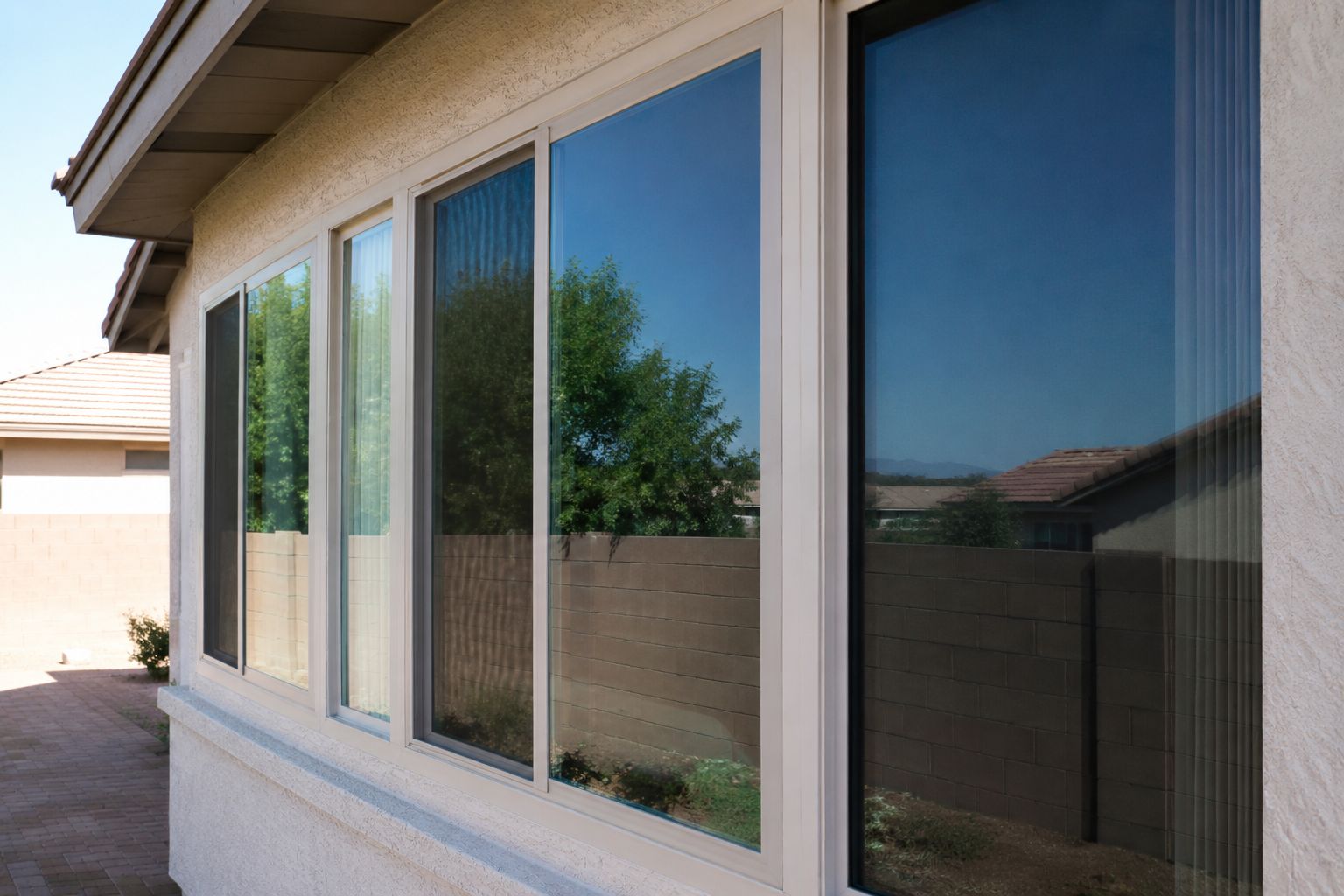
Window tinting has emerged as a proven solution that directly addresses these challenges by controlling how sunlight enters living spaces while maintaining clear, bright interiors. High-quality residential window films are engineered to block harmful UV radiation, reduce heat gain, and preserve interior finishes without sacrificing natural light or outdoor views. Beyond aesthetics, tinting supports energy efficiency, occupant comfort, and long-term asset preservation, reducing strain on HVAC systems and lowering monthly energy costs. Additionally, modern films offer glare reduction and privacy benefits, making living spaces more functional for work, study, and relaxation. Understanding how window tinting works and the protective benefits it offers allows homeowners to make informed decisions about safeguarding their homes, extending the life of furnishings, and improving overall indoor comfort. This article explores the science, advantages, and practical value of window tinting as a comprehensive defense against UV damage, excessive heat, fading, and other sunlight-related wear, offering a sustainable solution for modern living.
Understanding UV Radiation and Its Impact on Homes
How Ultraviolet Rays Enter Through Glass
Ultraviolet radiation contributes significantly to interior damage, even when windows appear completely clear, intact, and well-maintained. Standard glass only blocks a portion of UV rays, allowing harmful exposure to pass through consistently over time and gradually affect furnishings. This radiation slowly breaks down molecular bonds in fabrics, wood finishes, flooring, artwork, and plastics throughout the home. The damage is cumulative and subtle, often leaving homeowners unaware until noticeable fading or significant deterioration becomes clearly visible inside the home.
Long Term Consequences of UV Exposure
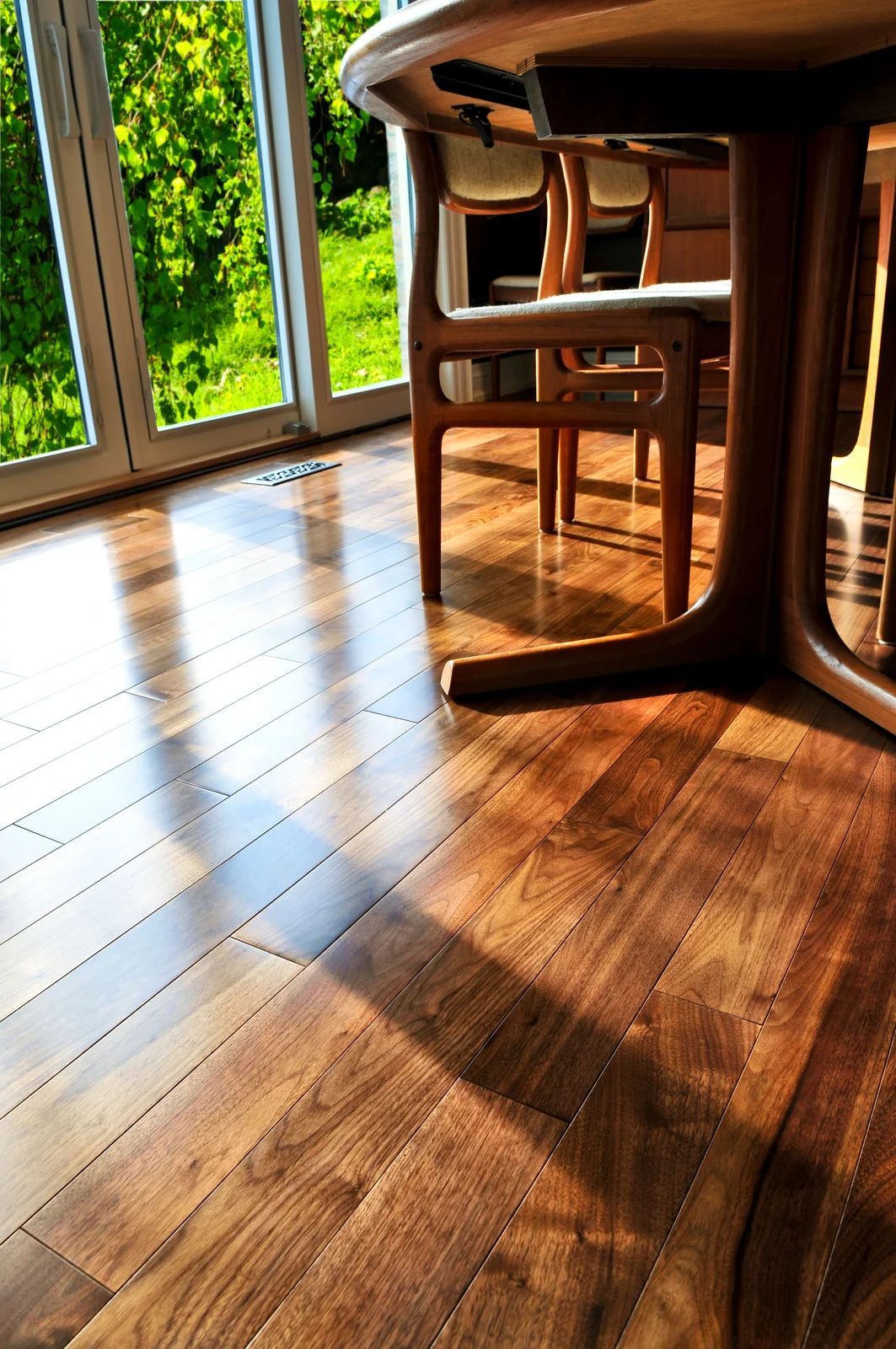
Beyond visible fading, prolonged UV exposure gradually weakens home materials, significantly reducing their overall lifespan and long-term durability. Hardwood floors can lose color uniformity, leather surfaces may become brittle and crack, and wall coverings often discolor unevenly or fade unpredictably over months or years. Such deterioration diminishes overall property value and increases long-term replacement and repair costs substantially. By addressing UV exposure proactively, homeowners can protect furnishings, décor, and structural components, preserving both interior aesthetics and functional integrity of their living spaces for many years effectively.
Heat Gain and Indoor Comfort Challenges
Why Untreated Windows Increase Heat
Sunlight carries infrared energy, which converts into heat as it enters a home through glass surfaces and large panes. Large windows, sliding doors, and skylights can act like magnifying glasses, trapping solar heat indoors for extended periods, creating discomfort. This often produces uneven temperature distribution, hot spots, and generally uncomfortable indoor conditions throughout living spaces. As a result, households may rely more heavily on air conditioning systems, which increases energy consumption significantly and causes long-term wear on cooling equipment, especially during hot summer months consistently.
Effects on Energy Efficiency
Excessive heat gain significantly impacts overall energy efficiency and monthly utility costs throughout the entire year in residential properties. HVAC systems must work harder to maintain comfortable indoor temperatures, which increases energy consumption and operating expenses dramatically. Prolonged strain may reduce system lifespan, requiring more frequent repairs or early system replacement unexpectedly. Applying high-quality window tinting helps limit solar heat gain effectively, stabilizes interior temperatures, and improves overall energy efficiency meaningfully. This contributes to lower costs while creating a more comfortable, consistent indoor environment year-round for homeowners and families.
How Window Tinting Works as a Protective Barrier
Advanced Film Technology
Modern window films feature multilayer construction designed to selectively filter specific wavelengths of sunlight entering living spaces effectively and safely. These films can block up to 99 percent of harmful UV rays while significantly reducing infrared heat penetration into the home. Unlike older, dark tints, contemporary options allow natural daylight to pass through freely without obstructing views or making rooms overly dark. High-quality films create a protective barrier without reducing clarity, brightness, or visual appeal indoors. They maintain indoor brightness and visibility while ensuring that harmful radiation does not degrade furnishings, flooring, or wall coverings over time.
Balancing Protection and Natural Light
Many homeowners worry that tinting windows will darken rooms excessively, reduce visibility outdoors, or make spaces gloomy during the day. High-performance window films selectively filter harmful solar energy rather than simply darkening glass surfaces significantly. This approach preserves brightness, natural daylight, and exterior views while effectively protecting interior spaces from damage. By maintaining this delicate balance, homeowners can enjoy light-filled, inviting areas without compromising comfort, energy efficiency, or visual appeal. Effective window tinting safeguards against UV exposure and heat while keeping rooms bright, visually appealing, and comfortable for occupants daily.
Preventing Fading of Furniture and Interior Finishes
How Fading Occurs
Fading occurs when UV radiation, visible light, and heat interact continuously with interior surfaces over extended periods and years. These elements accelerate the breakdown of dyes, pigments, and finishes in furniture, flooring, and decorative décor items permanently. Rooms that face the sun directly are most vulnerable, often showing uneven or patchy discoloration over time and multiple seasons. Without timely intervention, fading progresses quickly, impacting both the home’s aesthetic appeal and overall interior quality significantly. Early protective measures are essential to reduce cumulative damage and maintain consistent interior appearance throughout sun-exposed areas efficiently.
Preserving Interior Investments
Window tinting provides an effective solution by significantly reducing UV exposure and controlling light intensity inside the home properly. This protection slows fading and deterioration considerably, extending the life of furniture, curtains, artwork, and decorative surfaces substantially. Homeowners can maintain consistent interior aesthetics without frequent furniture rearrangement or costly replacements over time. By minimizing light-induced damage, window tinting ensures that investments in décor, furnishings, and finishes remain visually appealing, functional, and valuable for many years, providing both beauty and long-term financial savings for homeowners confidently.
Additional Benefits and Best Practices
Improved Privacy and Glare Reduction
Window tinting enhances privacy during daylight hours while limiting glare from direct sunlight on screens, reflective surfaces, and furniture continuously. This creates more comfortable, functional living spaces for work, relaxation, or entertainment throughout the day consistently. Reducing glare also protects the eyes and reduces visual strain during daily activities and computer use. Homes benefit from improved visibility, enhanced privacy, and increased comfort, making professionally installed tinted windows an efficient and long-lasting solution for managing natural light effectively and ensuring indoor comfort without sacrificing overall aesthetics or energy efficiency.
Choosing the Right Film and Installation
Not all window films perform equally, and selecting the right type is essential for achieving optimal results indoors and long-term protection. Factors such as window orientation, climate, and homeowner goals should guide film choice carefully. Professional installation ensures proper adhesion, long-term durability, and maximum protective benefits reliably. Customized solutions tailored to the home’s specific needs produce far better outcomes than one-size-fits-all options typically provide. Expert guidance and precise application are critical to achieving lasting interior protection, energy savings, comfort, and enhanced home efficiency consistently for years.
Dependable Professionals Minimizing Heat and Furniture Fading
Window tinting offers a practical and effective way to protect homes from the damaging effects of sunlight. By blocking harmful UV radiation, reducing heat gain, and minimizing fading, it addresses multiple challenges that homeowners face daily. Beyond comfort, tinting supports energy efficiency, preserves interior finishes, and contributes to long term property value. As homes continue to incorporate larger windows and open layouts, managing solar exposure becomes increasingly important. Window tinting stands out as a proactive solution that delivers measurable benefits while maintaining natural light and visual appeal.
High Country Window Tint stands as a trusted authority in residential window tinting, delivering solutions that align directly with the protective benefits discussed throughout this article. As a dedicated window tinting service based in Colorado Springs, Colorado, the company understands the region’s intense sun exposure, seasonal temperature swings, and unique residential architecture. With 30 years of hands on experience, its team applies proven techniques and premium films to help homeowners reduce UV damage, manage heat, and preserve interior spaces. This depth of experience translates into precise film selection, professional installation, and long lasting results. Clients benefit from honest guidance, meticulous workmanship, and a clear focus on comfort, efficiency, and home protection. By combining technical expertise with a commitment to quality service, High Country Window Tint continues to help homeowners safeguard their investments while enhancing everyday living environments. Its reputation is built on consistency, customer education, and an unwavering standard of professionalism that reinforces trust. Homeowners seeking reliable, long term protection can depend on this experience driven approach for measurable results and peace of mind. Every project reflects decades of refined skill and a genuine commitment to residential excellence across diverse home types and client expectations throughout the community it serves.