
Glare on the TV or Computer Screen All Afternoon? What Tint Solves
QUICK ANSWER: Screen glare happens when bright, high-contrast sunlight hits your windows and reflects off a glossy TV or monitor, and it's a visible light problem, not a heat or UV problem, so the fix is matching the right visible light transmission (VLT) film to the room rather than just blocking heat or UV rays. A moderate-VLT film in the 20 to 50 percent range typically cuts the washout enough to see the screen clearly by early afternoon while keeping the room from feeling dark or closed in.
The 2 PM Squint Every Front Range Living Room Knows
You settle in to watch the game or finish a video call, and by early afternoon the west-facing window behind your couch turns your 65-inch TV into a mirror. You can see your own reflection better than the show. Someone reaches for the remote to bump brightness, someone else pulls the blinds, and within twenty minutes the room that felt open and bright at 10 a.m. is dim and closed off just to make the screen usable again. If you work from a home office with a monitor facing a south or west window, the same fight plays out every workday between roughly noon and 4 p.m., when the glare gets bad enough that you either angle your desk sideways or squint through a stack of video calls.
This is a specific, well-understood optical problem, and it is not the same problem as UV fading or summer heat gain, even though people often lump them together. Fading happens over months from invisible UV wavelengths cooking your rugs and furniture. Heat gain happens from infrared energy warming a room. Glare happens in real time, the moment visible light hits a glossy surface at the wrong angle, and it is governed by a completely different film spec than UV rejection or heat rejection. Getting that distinction right is the difference between tint that actually fixes your screen problem and tint that was chosen for the wrong reason.
Why Screen Glare Is a Different Problem Than Heat or UV Damage
Every window film carries a visible light transmission rating, usually written as VLT, that tells you what percentage of visible light passes through the glass after the film is applied. A film with a 5 percent VLT lets in almost no visible light and looks nearly black from the street. A film with a 45 percent VLT is barely noticeable on the glass and still lets in most of the daylight. Nearly every residential film also blocks somewhere around 99 percent of UV radiation regardless of how dark or light it is, because UV rejection comes from the film's inner layer construction, not from how much visible light it lets through. That's the part people miss: a very light, nearly invisible film can still block almost all UV rays while doing very little to cut the glare hitting your TV, and a much darker film built for heavy solar control can sit in a completely different VLT range depending on the product line. The number that actually governs whether your screen washes out is VLT, and it needs to be chosen for the room's actual use, not assumed from a film's UV or heat performance sheet.
Glare itself comes down to contrast. When strong, direct sunlight enters a room and lands anywhere near a glossy TV panel, laptop screen, or monitor, your eye is suddenly trying to process a bright light source and a comparatively dim screen at the same time, and that contrast is what reads as glare and eye strain. Lowering the VLT reduces the total volume of visible light entering the room, which narrows that contrast gap between the sunlit window and the screen, without changing color rendering the way a cheap film or aftermarket screen protector might.
TIP: Before choosing a film, note the time of day your glare is actually worst and which wall the light comes through. A west-facing living room window fighting 2 to 6 p.m. sun needs a different VLT than a south-facing home office that's bright all day but never blinding.
What Front Range Sun Angle Does to Afternoon Glare
Colorado Springs sits above 6,000 feet, and along the Front Range corridor through Monument, Castle Rock, Falcon, Fountain, and up into Woodland Park, that elevation changes how intense direct sunlight actually is by the time it reaches your glass. Thinner atmosphere at altitude scatters and absorbs less incoming light, so the sun striking a west-facing family room window in Colorado Springs carries meaningfully more punch than the same sun angle would at sea level. The EPA's own elevation guidance puts ultraviolet intensity roughly 2 percent higher for every 1,000 feet of elevation gain, which puts Colorado Springs around 12 percent above sea-level intensity and areas up toward Woodland Park and the foothills even higher. Visible light intensity follows a similar pattern, which is a big part of why homeowners here describe the glare as sharper and more sudden than what they dealt with in lower-elevation cities.
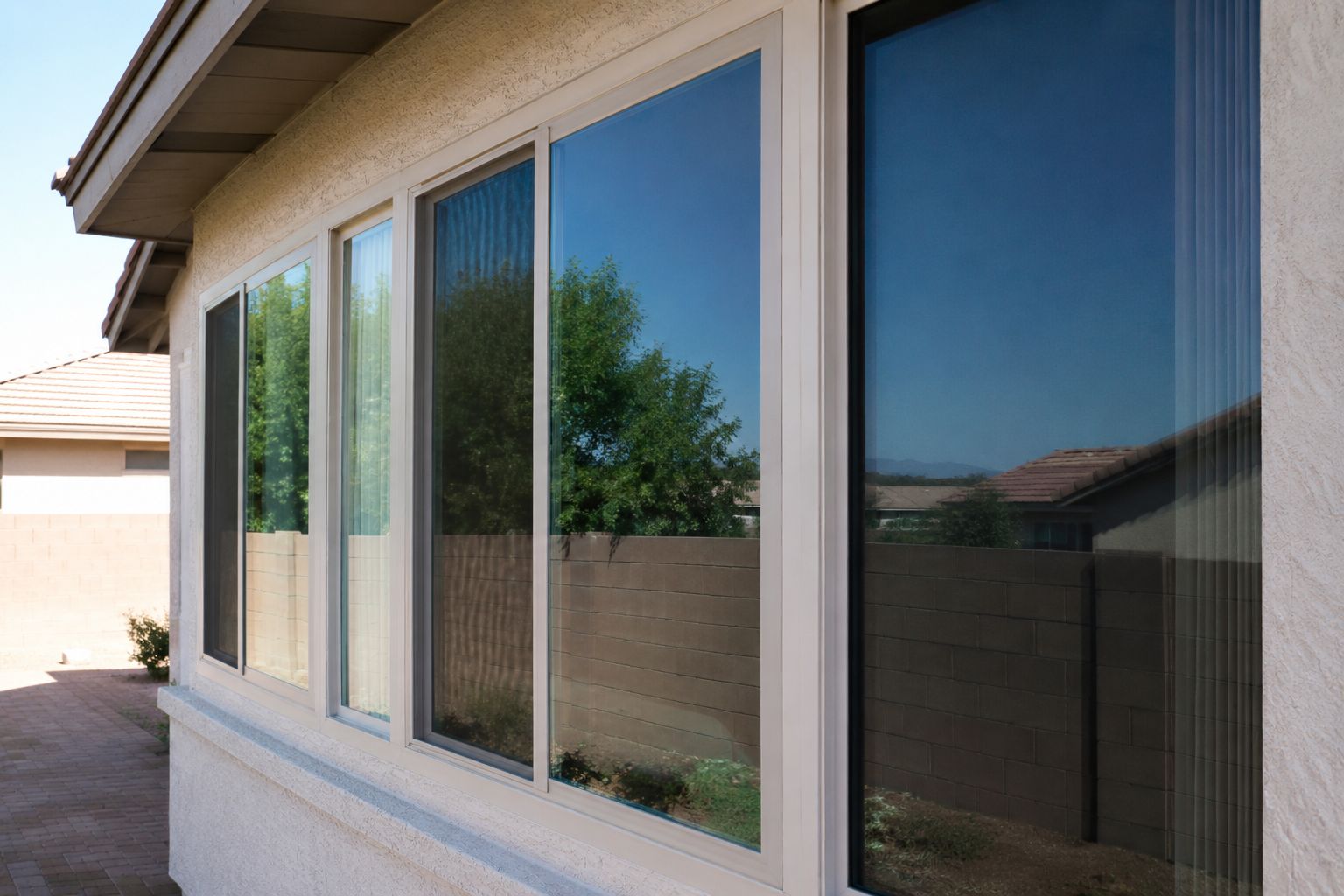
Layer on the region's wide-open sky and lack of tree canopy in newer subdivisions around Falcon and Fountain, and there's often nothing between a west or south-facing window and hours of unbroken direct sun. Add the classic Front Range temperature swing, a bright, cold morning that turns into a blazing afternoon by 2 p.m. even in shoulder-season months, and a room's glare problem can shift dramatically within the same day. A home theater or media room that's perfectly comfortable to watch in the morning can become unwatchable without closed blinds by mid-afternoon, particularly in homes with the large picture windows common in Colorado Springs, Monument, and Castle Rock builds designed to show off mountain or plains views. Those big glass expanses that make a room feel great in the morning are exactly what turns a flat-screen into a mirror once the sun swings around.
Choosing the Right VLT for a Home Theater or Office
The instinct with glare is to go as dark as possible, but that usually overcorrects. A very low VLT film, in the 5 to 15 percent range, will eliminate glare almost entirely, but it also cuts enough ambient daylight that a media room can start to feel more like a basement than a living space, especially on overcast Front Range winter days when you'd rather have the light back. For most living rooms, home theaters, and home offices dealing with screen washout, a mid-range VLT, generally somewhere between 20 and 50 percent depending on how intense the exposure is and how bright you want the room to stay, tends to hit the balance of cutting real glare while keeping the space from feeling shut in.
Film construction matters as much as the VLT number. Ceramic and spectrally selective films are built to filter targeted wavelengths rather than simply darkening everything uniformly, which means they can knock down glare and solar heat while preserving color accuracy and clarity through the glass — a meaningful difference if you're comparing paint colors on a video call or trying to get true skin tones on a big-screen movie night. Older dyed or basic tinted films tend to darken more bluntly and can introduce a slight color shift that's noticeable on a bright white monitor background. For a dedicated home theater where the goal is consistent, controllable light for movie nights regardless of time of day, a lower VLT paired with light-blocking window treatments gives the most control. For a home office or open-concept living room where you still want a bright, livable space outside of work hours, a moderate VLT ceramic or spectrally selective film usually solves the glare without making the room feel tinted at all.
It's also worth thinking room by room rather than picking one film for the whole house. A west-facing home office needs the heaviest glare control because that's where afternoon sun and screen work directly collide. A kitchen or breakfast nook with a TV mounted for background viewing can usually tolerate a lighter VLT since screen accuracy matters less there. A south-facing home theater with a projector screen instead of a glossy panel may need less glare film and more attention to ambient brightness overall, since projected images wash out differently than a backlit TV panel does.
Warning:Don't apply the darkest film available to every window in the house just because one room has a glare problem — over-tinting a north-facing room or a window that gets only morning light can make that space feel dim year-round for no real benefit, and it makes an uneven, patchy look from the street if only some windows carry heavy tint.
What to Expect From Installation and Living With the Film
A professional glare-control installation typically covers the specific windows behind or beside the affected screen, though many homeowners choose to tint an entire room's window wall at once for a consistent look rather than tinting one pane and leaving its neighbor untreated. Installers measure each window, apply the film to the interior glass surface, and cure it over the following days, during which you may notice minor haziness or small bubbles that clear on their own as the adhesive fully sets. Quality residential film is engineered to resist peeling, bubbling, and discoloration under UV exposure for many years, which matters at altitude where that exposure is running above sea-level intensity from day one.
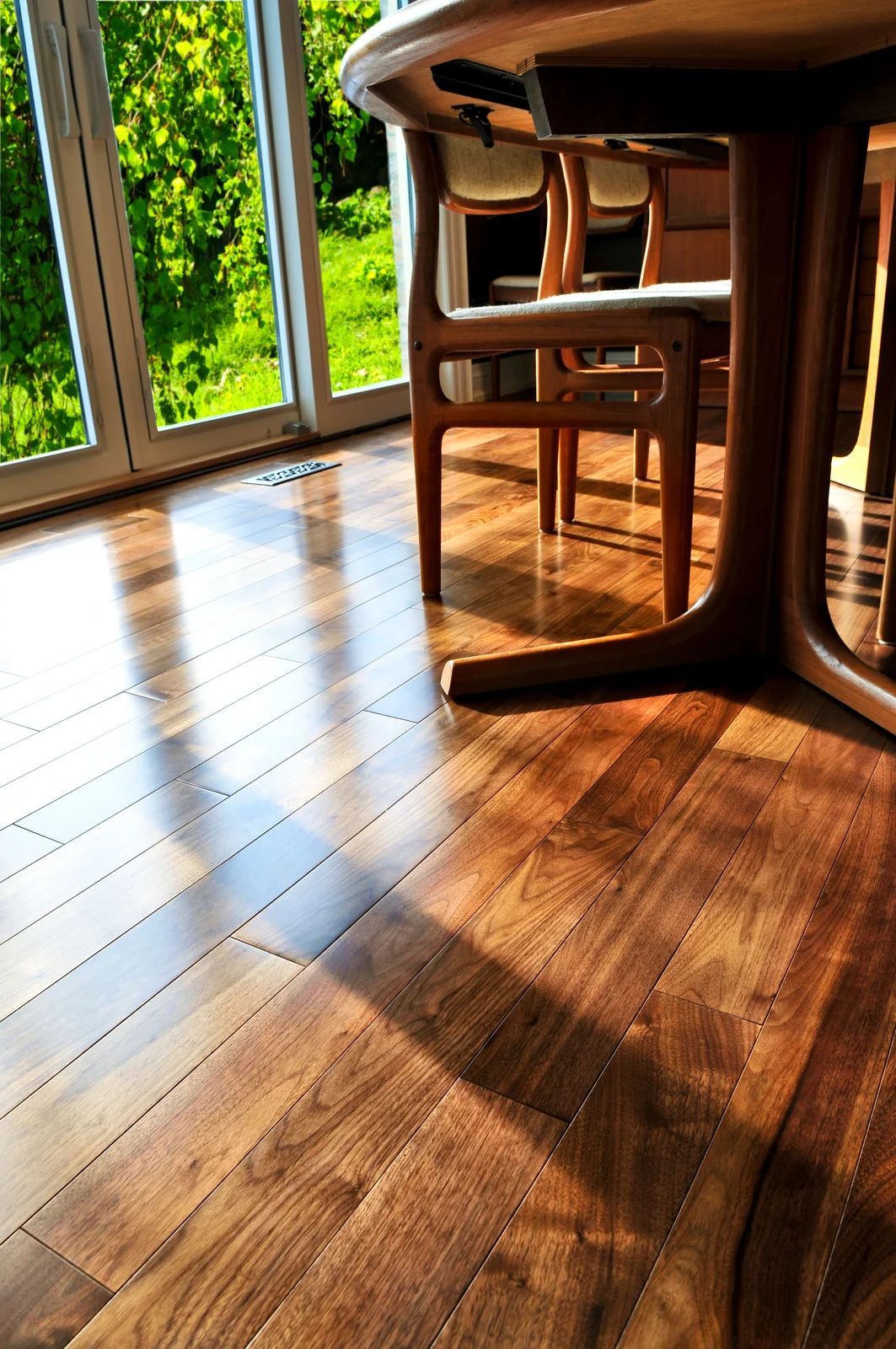
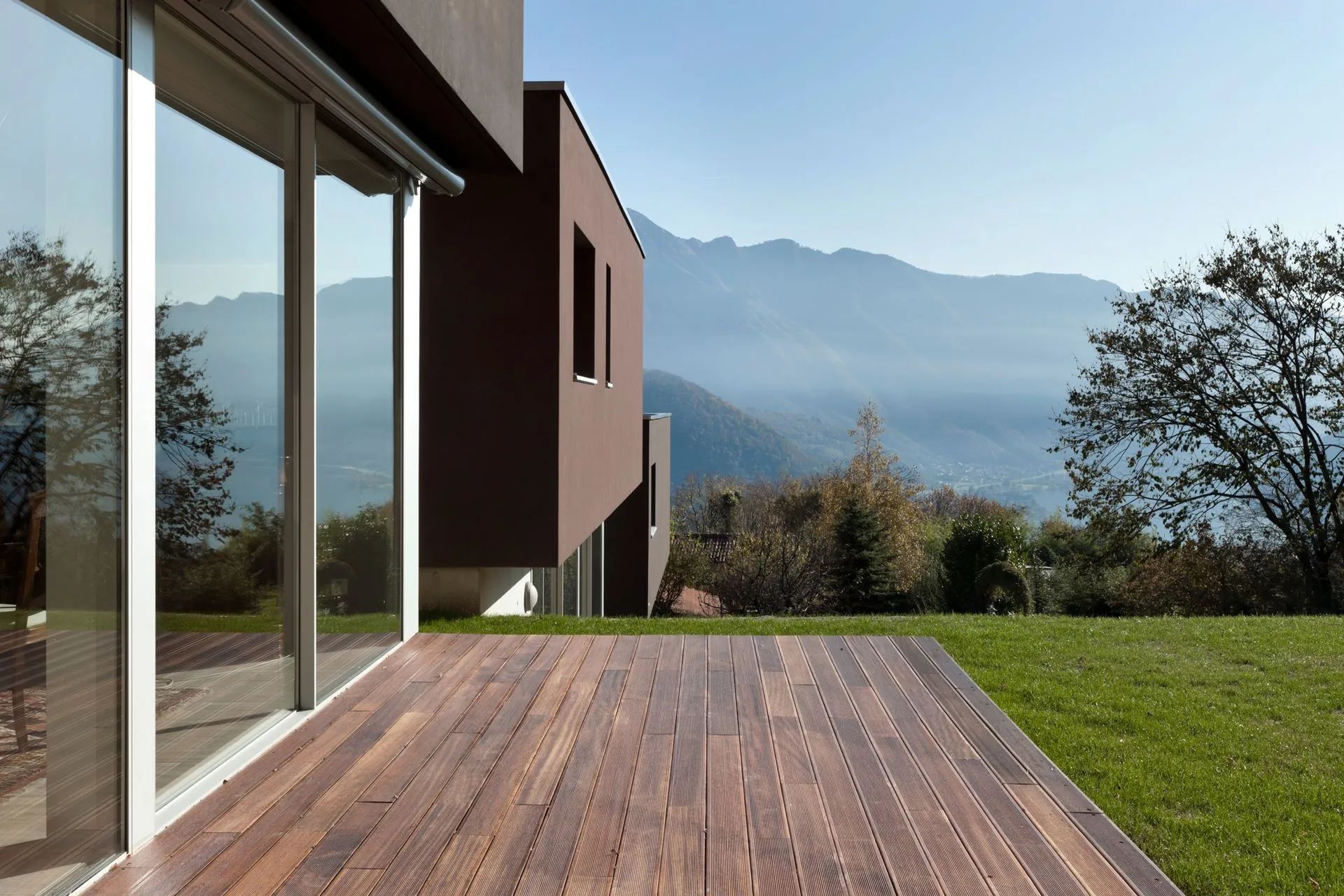
Day to day, the difference shows up almost immediately: the harsh white-out on the TV screen during a 3 p.m. game softens into a screen you can actually read without squinting, and a home office monitor stops fighting the window for your attention on a video call. Because the film is working on visible light specifically, you keep your view outside — the trees, the mountains, the yard — rather than trading glare for a room that feels sealed off behind heavy drapes pulled shut every afternoon. Furniture and flooring near those same windows pick up the UV-blocking side benefit as well, since almost every film in this category rejects the vast majority of UV regardless of its VLT, but that's a secondary bonus here rather than the reason you're tinting in the first place.
Frequently Asked Questions
Will window tint make my TV picture look darker or change the colors?
Quality ceramic or spectrally selective films reduce glare and brightness without shifting color temperature, so your picture stays accurate. Cheaper dyed films risk a color cast, which is why construction matters as much as VLT.
How is glare-control tint different from just closing the blinds?
Blinds kill daylight entirely, which is why closing them for afternoon TV removes the natural light you wanted. Film lowers the light's intensity and contrast instead, keeping the room bright while the screen washout disappears.
Does one type of tint work for both a home office monitor and a home theater TV?
Not always. An office usually benefits from a moderate VLT that stays bright enough for daytime work, while a theater does better with a lower VLT since color accuracy matters more than ambient brightness there.
Matching Film to Room Beats Chasing Darkness
Screen glare comes down to one number that too many tint jobs ignore. Because it is a visible light problem rather than a heat or UV one, the visible light transmission of the film decides whether your TV stays watchable through the afternoon. A moderate range in the twenties to fifties usually clears the washout while keeping a room bright and open, and matching that figure carefully to each window's real sun exposure matters far more than simply going dark.
With 6,000-foot sunlight hitting Front Range glass harder than it would lower down, that room-by-room approach becomes even more valuable across Colorado Springs, CO and surrounding foothill towns. High Country Window Tint
has spent 30
years reading how afternoon sun moves through local homes, from big picture windows in Monument to west-facing offices in Falcon. That experience turns a glare complaint into a specific film choice, so a living room or media space finally works the way its view always promised.