
Neighbors Seeing Right In at Night? How Tint and Film Add Privacy
QUICK ANSWER: Most people assume dark or mirrored tint hides a room around the clock, but reflective film only works while it is brighter outside than inside. After sunset, with your lamps on, the effect reverses and passersby can see in. For privacy at night, you need a film that works by diffusing or obscuring the glass itself, such as frosted, etched, or patterned decorative film, or a privacy film with a high level of opacity. The right choice depends on how much daylight you want to keep and which rooms need coverage.
The Moment You Notice You Are on Display
It usually happens on an ordinary evening. You flip on the lights in the living room, walk past the front window, and glance outside at the street. A neighbor out walking the dog looks up for a second, and you realize that from out there your room looks like a lit stage. The couch, the television, the kitchen island behind you, all of it is visible. You reach for the curtains, and suddenly the cozy open room you love in the daytime feels closed off and dim.
Plenty of homeowners along the Front Range have lived with this for years. Newer neighborhoods in Falcon, Monument, and Castle Rock often put big windows on the front of the house and set homes close together. Older homes in Colorado Springs and Manitou Springs may have bedroom or bathroom windows that face a side yard only a few feet from the next property. The result is the same: a choice between privacy and light, made every single evening.
Window film can end that trade. The catch is that not every film that sounds private actually protects you after dark, and picking the wrong one is the most common mistake people make.
Why Dark and Mirrored Tint Lets You Down After Sunset
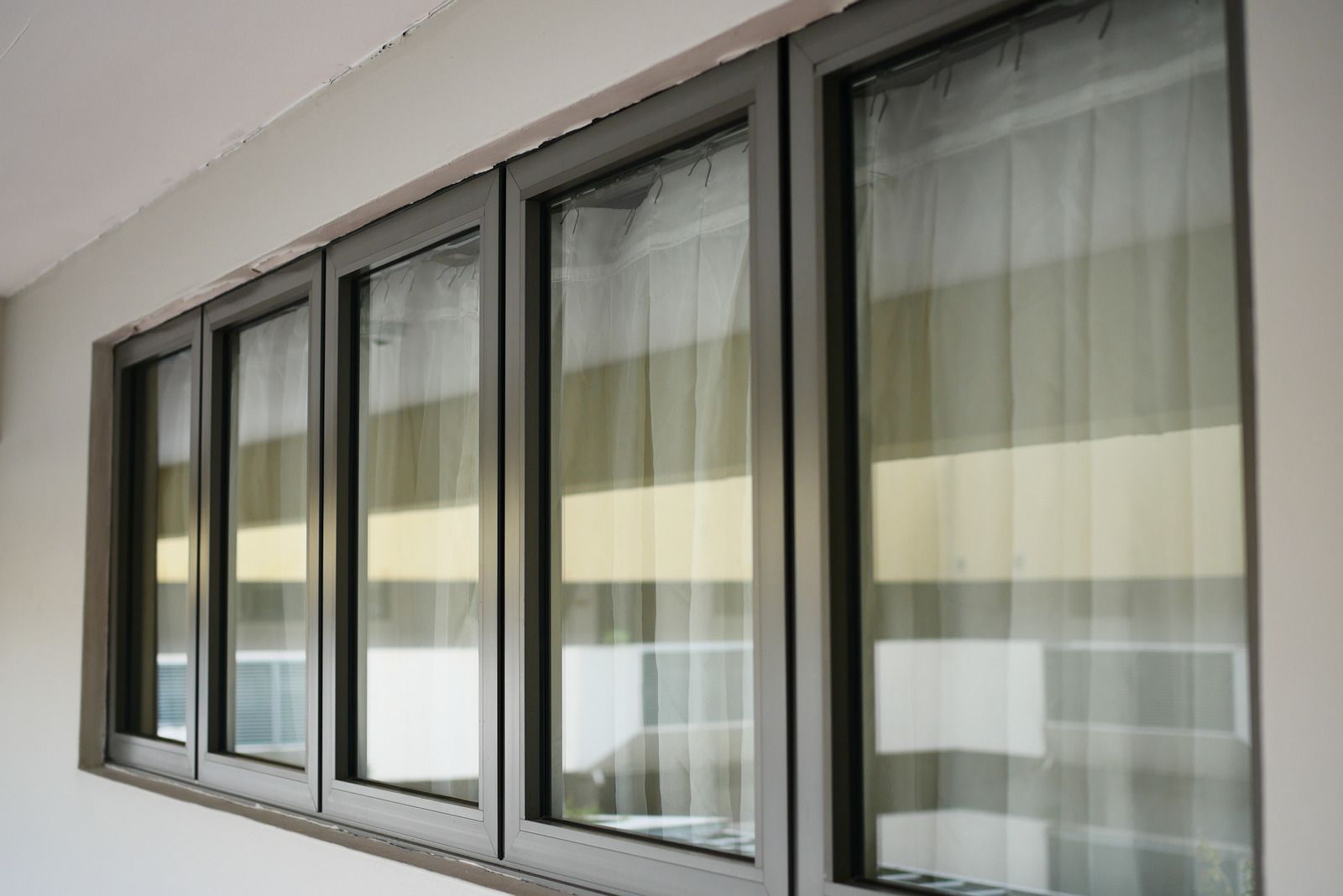
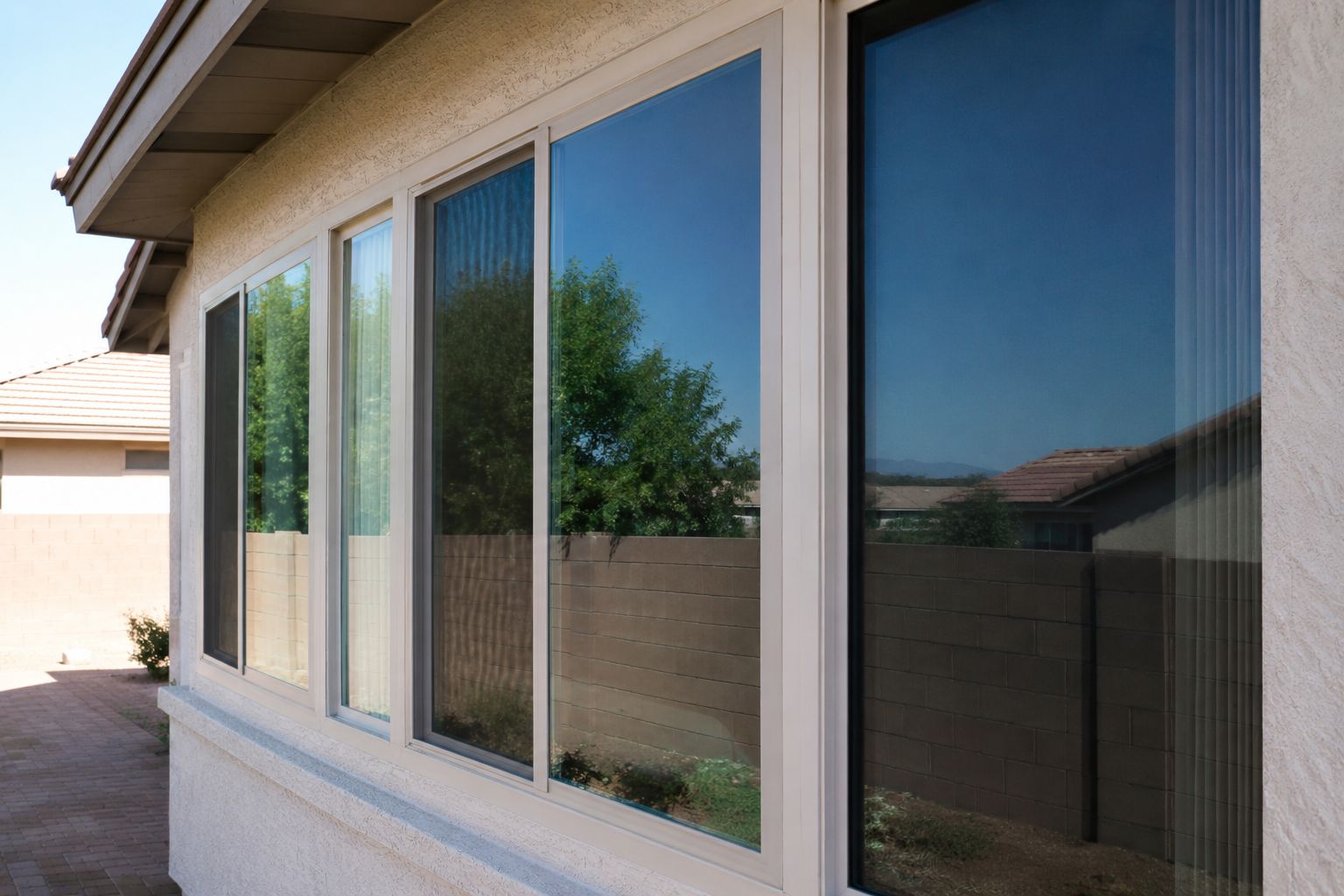
Reflective tint, the kind that looks like a mirror from the street on a sunny afternoon, works because of a simple difference in light. When it is bright outside and dimmer inside, the film bounces so much light back toward the viewer that their eye cannot pick out what is behind the glass. From the inside, you can still see out clearly.
Nighttime flips that balance. Once the sun goes down and you switch on your lights, the inside of the house is now the bright side. The film reflects the interior glow back at you, which makes the window look like a mirror from the inside, and it lets the lit room show through to anyone standing in the dark outside. You get the worst version of the effect: a window that gives you a reflection of yourself while handing the neighbors a clear view.
Darkness of the film changes this less than people expect. A very dark film with a low visible light transmission, or VLT, cuts the amount of light passing through in both directions, so it does help. But it also makes the room dim during the day and often looks heavy from the street. It is a blunt tool for a problem that has a more precise answer.
TIP: Stand outside your home after dark with the lights on and look at the windows you are worried about. That ten minute check shows you which windows actually expose the room, and how much coverage you really need, before you pick a film.
Films That Work After Dark
Privacy after dark comes from changing what the glass does to the image of the room, not from darkening it. A few types of film do that well.
Frosted Film
A frosted finish diffuses light as it passes through the glass, scattering the view into a soft blur. Shapes and shadows may be hinted at, but details disappear. Because the effect comes from the surface texture and not from reflection, it works the same at noon and at midnight. Daylight still comes in, softened and bright, which is why frosted film is a favorite for bathrooms and entry sidelights.
Etched And Patterned Decorative Film
These films add lines, grids, gradients, or textured patterns that break up the view. They can be designed to cover the whole pane or just the section at eye level, which is useful in a front room where you want the upper glass clear for sky and light. Decorative film also adds a finished look to glass that would otherwise be plain.
High Opacity Privacy Film
Residential privacy films come in a range, from a slight tint to a fully private finish, and the more opaque options block the view in both directions at all hours. These suit rooms where you do not need to see out, such as a bathroom or a ground floor bedroom facing a walkway.
Dual Purpose Solar Films
Some solar control films give modest daytime privacy while also reducing heat and glare. They are a good fit for windows where privacy is a secondary concern and the main goal is comfort. They should not be your answer for a window where you need coverage with the lights on.
Matching the Film to the Room
The best way to choose is to go room by room and ask two questions: how badly do you need privacy at night, and how much do you want to see out during the day.
Bathrooms and the lower panes of bedroom windows usually call for a fully frosted or high opacity film. You lose the outside view in that section, but you gain the freedom to use the room without a second thought.
Living rooms and kitchens are trickier because you probably want the view. A common solution is to film only the lower half or third of the window with a frosted or patterned design, leaving the top clear. The neighbor's sightline is blocked at the height where it matters, while light and sky still pour in from above.
Front doors with narrow glass panels, garage door windows, and sidelights beside an entry are good candidates for full decorative coverage. They let light into the foyer while keeping anyone on the porch from looking down the hall.
Home offices and basements with window wells sit in a different category. If the glass faces a public sidewalk, a frosted lower band keeps the room from feeling exposed, and a solar film on the rest can handle afternoon glare.
Warning: Do not apply a mirrored or heavily reflective film to a window and assume the privacy problem is solved. If you only test it on a sunny day, it will look perfect, and you will not find out it fails until the first evening you turn on the lights.
What Front Range Conditions Add to the Decision
Privacy is not the only job your windows are doing here. Colorado Springs sits well above 6,000 feet, where the thin air lets more ultraviolet light and sun through, and the temperature can swing dramatically between a cold morning and a hot afternoon. A film that handles privacy and nothing else leaves those other issues on the table.
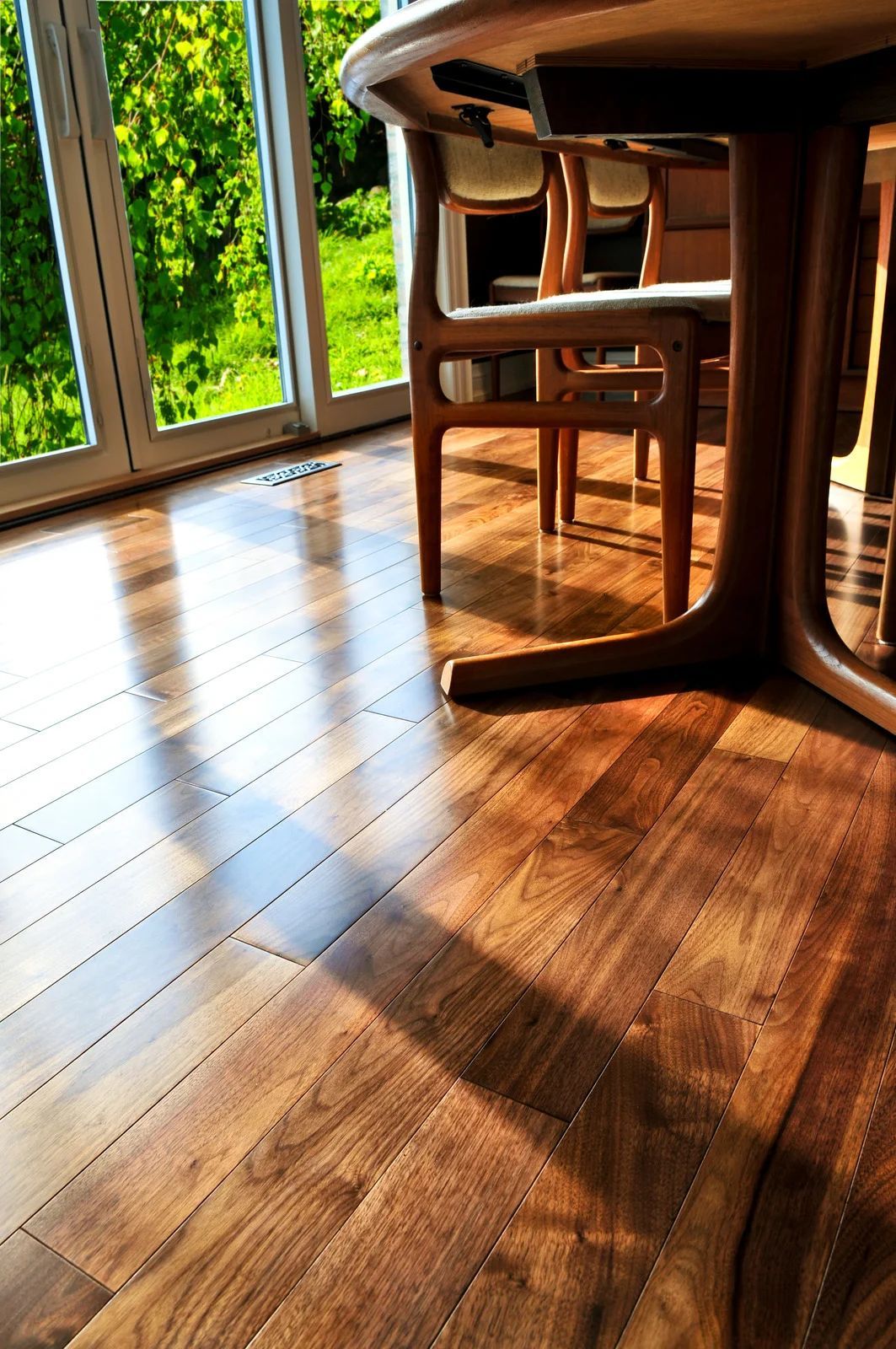
That is a reason to think of privacy film as part of a window plan, not a standalone fix. Many privacy and decorative films reduce UV exposure on the interior along with the view, which helps protect furniture and flooring near the glass. Other films add insulating benefits that make a room more comfortable year round. When you add film to a window for one reason, it is worth asking what else it can do for the same pane.
The other Front Range factor is light itself. Winter days are short and often gray, and a room that gets covered in heavy window treatments from 4 p.m. on feels especially closed in. Choosing a film that keeps daylight flowing, such as frosted or lightly patterned options, helps you hold onto what natural light you have through the darker months.
What to Expect From Installation and Daily Life
A professional installation starts with measuring each pane and cleaning the glass thoroughly, since dust under the film shows. The film is applied to the interior surface of the glass, trimmed to fit, and smoothed out. In the days after, small hazy spots or tiny moisture bubbles can show up as the adhesive cures. They typically clear on their own.
Once the film is on, the change is immediate. That evening exposure disappears, and you stop needing to remember which curtains to close. Cleaning is simple: use a soft cloth and a mild, ammonia free cleaner, and avoid abrasive pads. Most films are built to hold their appearance for many years without peeling or fading.
One honest note about expectations: frosted and privacy films do not make a room invisible in every possible condition. Very bright lights placed directly against the glass can still cast a faint silhouette on some lighter finishes. If you are planning for a bathroom or bedroom, pick a more opaque finish and keep a lamp from sitting right against the window.
Frequently Asked Questions
Does tint give me privacy at night?
Standard solar and mirrored films mainly give daytime privacy, when it is brighter outside. At night with lights on, they often let people see in. Frosted, etched, or high opacity films obscure the glass instead.
Can I get privacy without losing natural light?
Yes. Frosted and lightly patterned films diffuse light rather than block it, so daylight still fills the room. Covering only the lower portion of a window keeps the view and light while blocking the sightline.
Which film works best for a bathroom window?
A fully frosted or high opacity film is usually best. It blocks details at all hours while still letting soft daylight through, so you can skip the curtains and still feel completely comfortable.
Will privacy film make my room look dark?
Not necessarily. Frosted and decorative films stay fairly bright because they scatter light instead of absorbing it. Dark, low VLT films are the ones that dim a room, so they rarely suit privacy alone.
Can privacy film be removed later?
Yes. A professional can remove window film without damaging the glass in most cases, so you are not locked in. That flexibility makes it a practical option for rentals or rooms whose use may change.
Will privacy film also help with heat and UV?
Many do, to a degree. Films can cut UV that fades furniture and floors, and some add heat or glare control. Mention those needs when choosing, so one product handles more than one job.
Privacy That Holds Once the Lights Come On
The difference between film that works and film that disappoints comes down to one thing: whether it hides the room by reflection or by obscuring the glass itself. Reflective tint looks flawless on a sunny afternoon and then hands the neighbors a clear view the moment you reach for a lamp. Frosted, etched, and high opacity films work the same at noon and midnight, because they change what the glass does to the image rather than relying on which side is brighter.
Thinking window by window is what turns that principle into real comfort. A bathroom wants full coverage, a front room often wants only a lower band, and the Front Range sun gives you reason to let the same film handle UV and glare too. High Country Window Tint
has spent 30
years matching finishes to rooms across Colorado Springs, CO, so the view you love in daylight no longer costs you your privacy after dark. Settle it before the long autumn evenings make the problem harder to ignore.