
One Room Always Hotter Than the Rest in Summer? How Window Film Cuts the Heat
QUICK ANSWER: One room usually runs hotter than the rest of the house because of the glass in it, not the square footage or the vents. West- or south-facing windows, a bay window, a skylight, or a wall of large glass all let in more direct sun than the rest of the home receives, and at Colorado Springs' altitude that sun carries more UV and infrared energy than it would at sea level. The fix isn't a bigger air conditioner or a closed vent — it's cutting the solar heat before it ever reaches the glass. Residential window film with a low solar heat gain coefficient blocks a large share of that infrared energy at the window, which brings the room's temperature closer to the rest of the house without changing how the windows look from outside.
You know the room. Maybe it's the west bedroom that turns into a furnace by 5 p.m., or the sunroom off the kitchen that nobody sits in after June, or the home office with the big south-facing window where the laptop screen washes out by mid-morning. The thermostat reads 72 in the hallway. That room reads closer to 82. You've swapped the air filter, closed the vent in every other room to force more air its way, and run a box fan in the doorway. None of it moves the number more than a degree or two, because none of it touches the actual source of the heat: the glass.
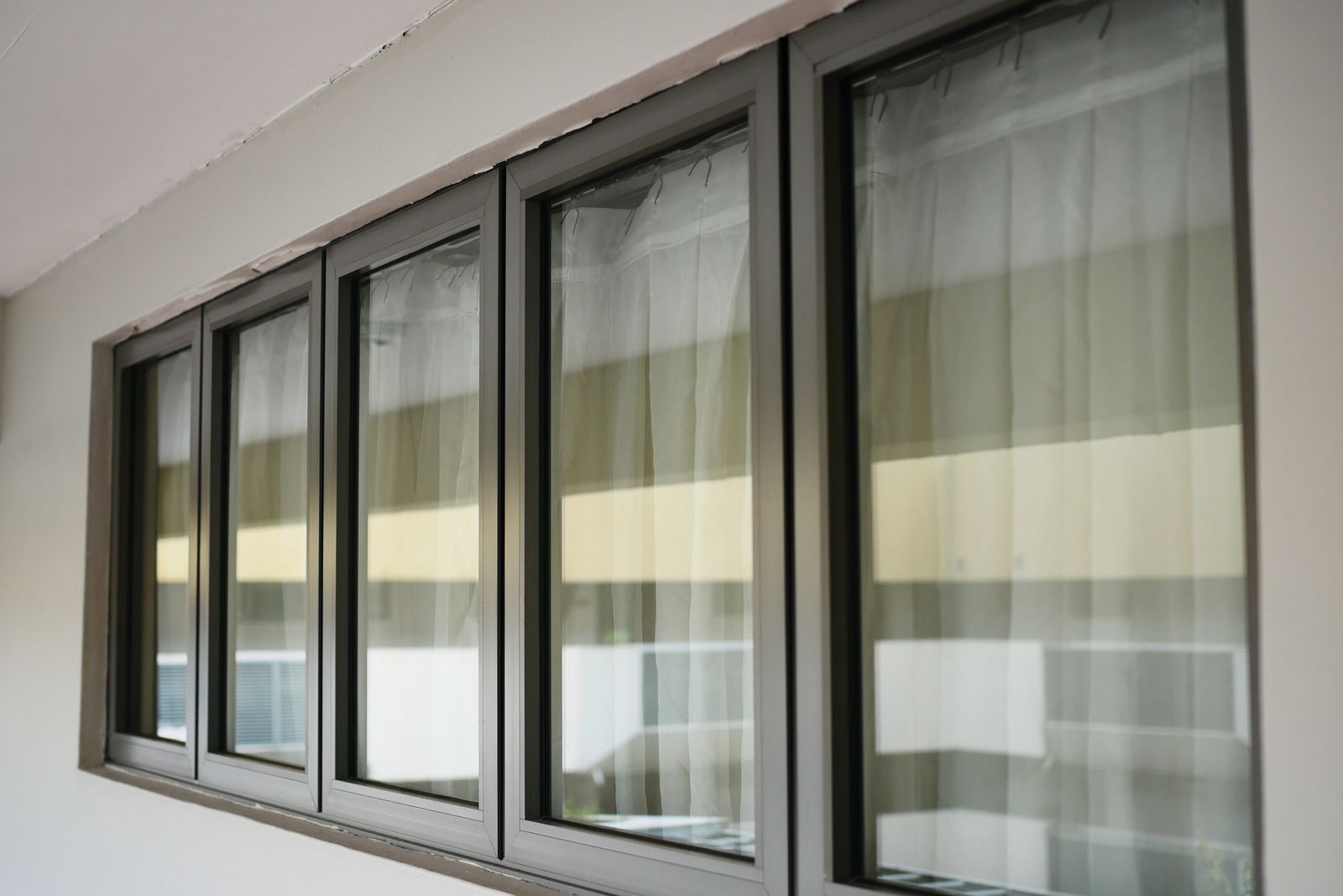
Every window in your home is doing one of two things with sunlight — blocking it or letting it through. A room with more glass, glass at the wrong angle, or older single-pane glass is going to run hotter than a room with less exposure, no matter what your HVAC system does. And in Colorado Springs, sitting above 6,000 feet, the sun coming through that glass is stronger than it is almost anywhere else in the country. Understanding why that one room bakes is the first step to actually fixing it.
Why That One Room Runs Hotter Than the Rest
Rooms don't overheat evenly because sunlight doesn't hit a house evenly. A few conditions, alone or combined, explain almost every "hot room" complaint we hear from homeowners across the Front Range.
West- Or South-Facing Glass
A west-facing window catches the afternoon sun at its lowest, most direct angle — right when outdoor temperatures are already at their daily peak. That combination stacks solar heat on top of an already-warm afternoon, so the room never gets a chance to cool before the sun hits it again the next day. South-facing rooms take a longer, steadier dose of sun through the middle of the day.
More Glass Area, Or The Wrong Kind Of Glass
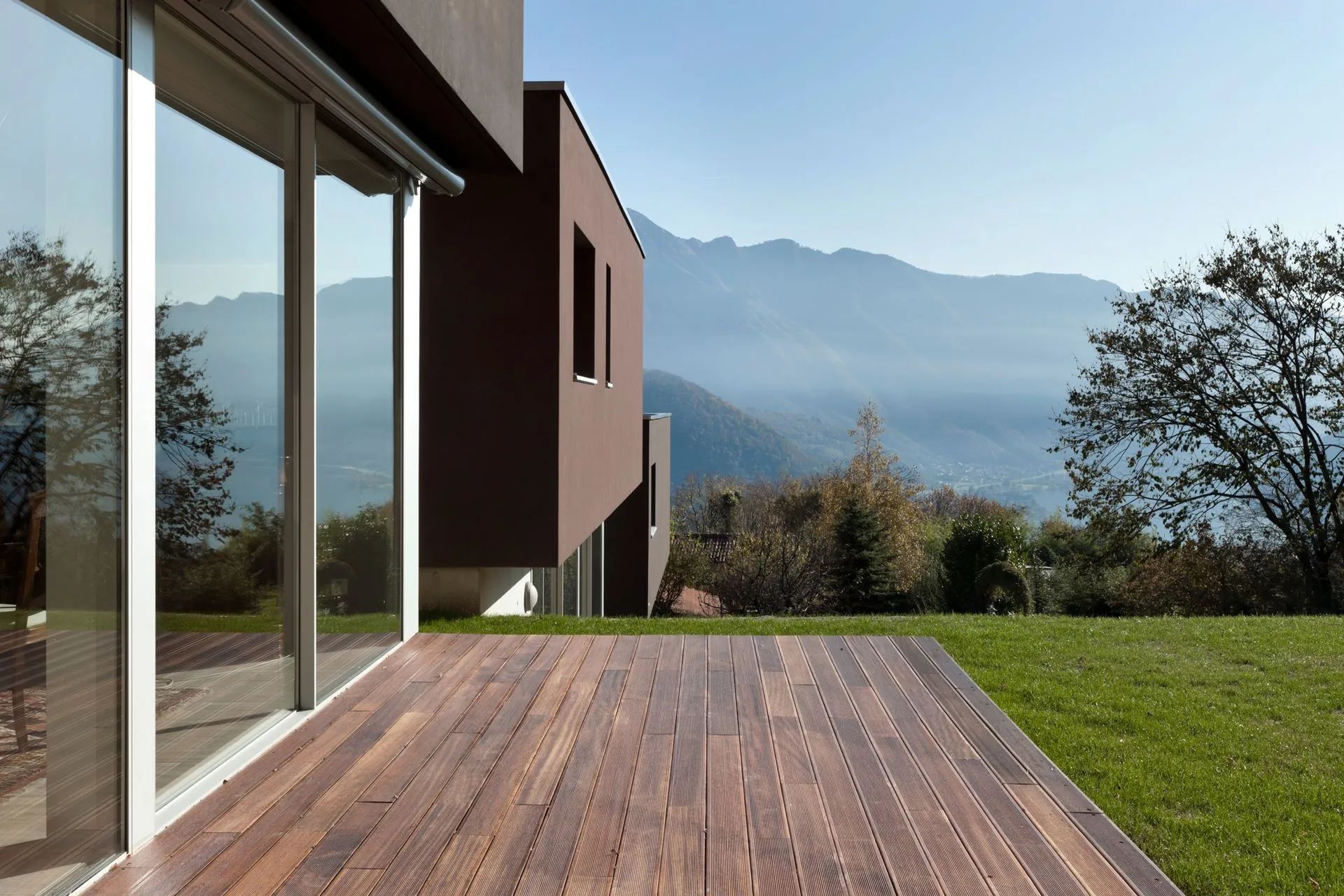
A bay window, a wall of sliding glass doors, or a sunroom with glass on three sides admits far more solar energy than a single standard window ever could. Older single-pane or early double-pane glass also transmits more heat than modern low-E glass, so a room with original 1990s or early-2000s windows can run noticeably warmer than one with newer replacements next door.
Skylights
Skylights sit at a steep angle relative to the sun for a large part of the day, and heat rises, so a skylight-lit room stacks direct overhead solar gain with the natural tendency of warm air to collect near the ceiling. Upstairs rooms with a skylight are consistently among the hottest rooms in any house we've worked on.
Dark Flooring, Furniture, Or Walls Near The Window
Dark surfaces absorb solar energy and re-radiate it as heat long after direct sun has moved off the glass, which is part of why a room can still feel warm well into the evening.
Attic Or Roof Heat Above The Room
A bedroom or office directly under an attic that isn't well ventilated picks up radiant heat from above on top of whatever comes through its windows, which stacks the problem even higher.
Most homes have at least one room where two or three of these line up — a west-facing bedroom under a warm attic, or a south-facing sunroom with older glass. That combination is what turns one room into the outlier on the thermostat.
What's Actually Happening at the Glass
Every window, tinted or not, has a rating called the solar heat gain coefficient, or SHGC. It's a number between 0 and 1 that describes how much solar energy passes through the glass and into the room. Clear, untreated glass typically sits around 0.8 to 0.85, meaning 80-plus percent of the solar energy that strikes it makes it into your living space as heat. A film with an SHGC of roughly 0.30, by comparison, is stopping close to two-thirds of that energy before it ever becomes warm air in the room.
That's the mechanism behind a hot room, in plain terms — it isn't really about the air, it's about how much solar energy is getting past the glass in the first place. Once that energy is inside, it heats the air, the furniture, and the walls, and your air conditioner is stuck chasing a room that keeps getting reheated by direct sun through the afternoon.
Altitude changes the size of the problem. UV radiation increases roughly 4% for every 1,000 feet of elevation gain, and Colorado Springs sits above 6,000 feet. That means the sun hitting your west window carries meaningfully more UV and infrared energy than the same window would receive at sea level. It's part of why homes here tend to have a more dramatic gap between their hottest room and the rest of the house compared to homes in lower-elevation cities, and why fading on furniture and flooring near sun-exposed glass shows up faster here too.
TIP: Before assuming a room's heat problem is about airflow, do a five-minute check. Stand a few inches from the window glass during peak sun and feel the surface temperature, then compare it to a window in a room that stays comfortable. If the hot room's glass is noticeably warmer to the touch, the window itself is the source, not the ductwork.
How Window Film Changes the Heat Equation
Residential window film works by intercepting solar energy at the glass, reflecting and absorbing a portion of it before it can convert to heat inside the room. Modern films do this while staying visually clear or lightly tinted — you're not trading comfort for a dark, mirrored look unless you choose that style on purpose.
Heat-reducing films are built specifically to lower the SHGC of existing glass, cutting the solar energy transmitted through the window without requiring a full window replacement. For a west bedroom or a sunroom that runs 8 to 10 degrees hotter than the rest of the house, this is usually the single biggest lever available.
UV-blocking films address a related but separate problem. Film formulated for UV protection blocks up to 99% of ultraviolet radiation, which is the wavelength most responsible for fading floors, furniture, and artwork near a sun-exposed window. UV accounts for a large share of interior fading — visible light and heat account for most of the rest — so pairing heat reduction with UV blocking protects both comfort and the room's contents.
Insulating films add a layer that helps regulate the glass's surface temperature year-round, which matters in a climate with the kind of daily temperature swings the Front Range sees — 90-degree afternoons that drop 30-plus degrees by early morning. Reducing that swing at the glass reduces stress on the window itself over time, not just on the room's comfort.
The result in a room like the ones described above is a smaller gap between that room and the rest of the house — not necessarily identical to the hallway thermostat, but close enough that the room becomes usable again during the hours it used to sit empty.
What to Expect, Room by Room
West-Facing Bedrooms
These typically see the largest improvement because the problem is almost entirely direct afternoon solar gain. Film cuts the heat spike that happens between 3 and 7 p.m., which is exactly when most people are trying to use the room.
Sunrooms And Rooms With Sliding Glass Doors
More glass area means more total solar energy to manage, so these rooms benefit from film across every pane, not just the most exposed window. A sunroom treated on all its glass behaves very differently than one treated only on the worst-offending window.
Skylight Rooms
Film rated for near-horizontal or skylight installation addresses the steep-angle sun exposure that standard vertical window film isn't tested for. This is worth flagging specifically to whoever installs it, since not every film is engineered for that angle.
South-Facing Home Offices
The issue here is often glare on screens as much as heat. Film that reduces solar heat gain also cuts visible light transmission enough to make monitors readable again without closing the blinds all day.
Frequently Asked Questions
Will window film make my hot room as cool as the rest of the house?
Window film can significantly narrow the temperature difference, though results vary by glass area and sun exposure. A room running several degrees hotter may become noticeably more comfortable after solar heat gain is reduced.
Does window film work on windows that already have low-E glass?
Yes. Window film can complement low-E glass by providing additional solar heat rejection. Homes with low-E windows may still have overheated rooms because of strong sun exposure, large glass areas, or unfavorable window orientation.
Why does my upstairs always feel hotter than my downstairs?
Warm air naturally rises, while upstairs rooms often receive additional heat from the attic and roof. If those rooms also have west-facing windows or skylights, solar gain compounds the problem, making window film useful.
Can film be installed on just the one hot room?
Yes. Window film can be installed only on the windows contributing to the room's excessive heat. Treating the problem area first allows homeowners to target solar gain without immediately modifying windows throughout the entire house.
Does darker film work better than lighter film?
Not necessarily. Film darkness does not determine heat rejection. Modern ceramic films can provide strong infrared and UV protection while remaining relatively light, so compare solar heat gain performance instead of choosing film based only on appearance.
Warning: Not every film is rated for every type of glass or installation angle. Some older dual-pane windows can experience thermal stress cracking if the wrong film is applied, particularly on glass that's already showing seal failure or edge damage. Have a professional inspect the glass condition before film goes on a room with older or already-stressed windows.
Bringing Your Hottest Room Back Into Balance
A room that stays noticeably hotter than the rest of the house often has a solar-gain problem rather than an HVAC problem. West- and south-facing windows, oversized glass, skylights, and older windows can allow enough sunlight into the space to create a persistent temperature difference. Reducing that heat at the glass can make the room more comfortable without relying on closed vents, fans, or constant air-conditioning adjustments.
In Colorado Springs, CO, High Country Window Tint
brings 30
years of experience to
residential window film solutions
designed around the home's specific glass, orientation, and exposure. The right film can reduce solar heat and UV transmission while helping the room stay closer to the temperature of the rest of the house. Instead of treating the symptoms of an overheated space, addressing the glass targets one of the primary sources of unwanted summer heat.