
Is Safety and Security Window Film
Windows play a critical role in every residential, commercial, and institutional building. They provide natural light, visibility, and aesthetic value, but they also represent one of the most vulnerable points in a structure. Whether facing accidental impacts, severe weather events, vandalism, attempted break-ins, or safety hazards caused by shattered glass, property owners are increasingly searching for solutions that strengthen existing windows without requiring complete replacement. Safety and security window film has emerged as one of the most popular options because it offers enhanced protection while remaining cost-effective compared to installing specialty security glass systems.
As awareness of building security and occupant safety continues to grow, many people ask an important question: Is safety and security window film enough? The answer depends on the specific risks a property faces, the level of protection required, and how the film is integrated into a broader security strategy. While window film can significantly improve glass performance and reduce hazards associated with shattered glass, it is not designed to replace every security measure. Understanding its capabilities, limitations, and ideal applications helps property owners make informed decisions about protecting people, assets, and property while maximizing the value of their investment.
Understanding Safety and Security Window Film
What Is Safety and Security Window Film?
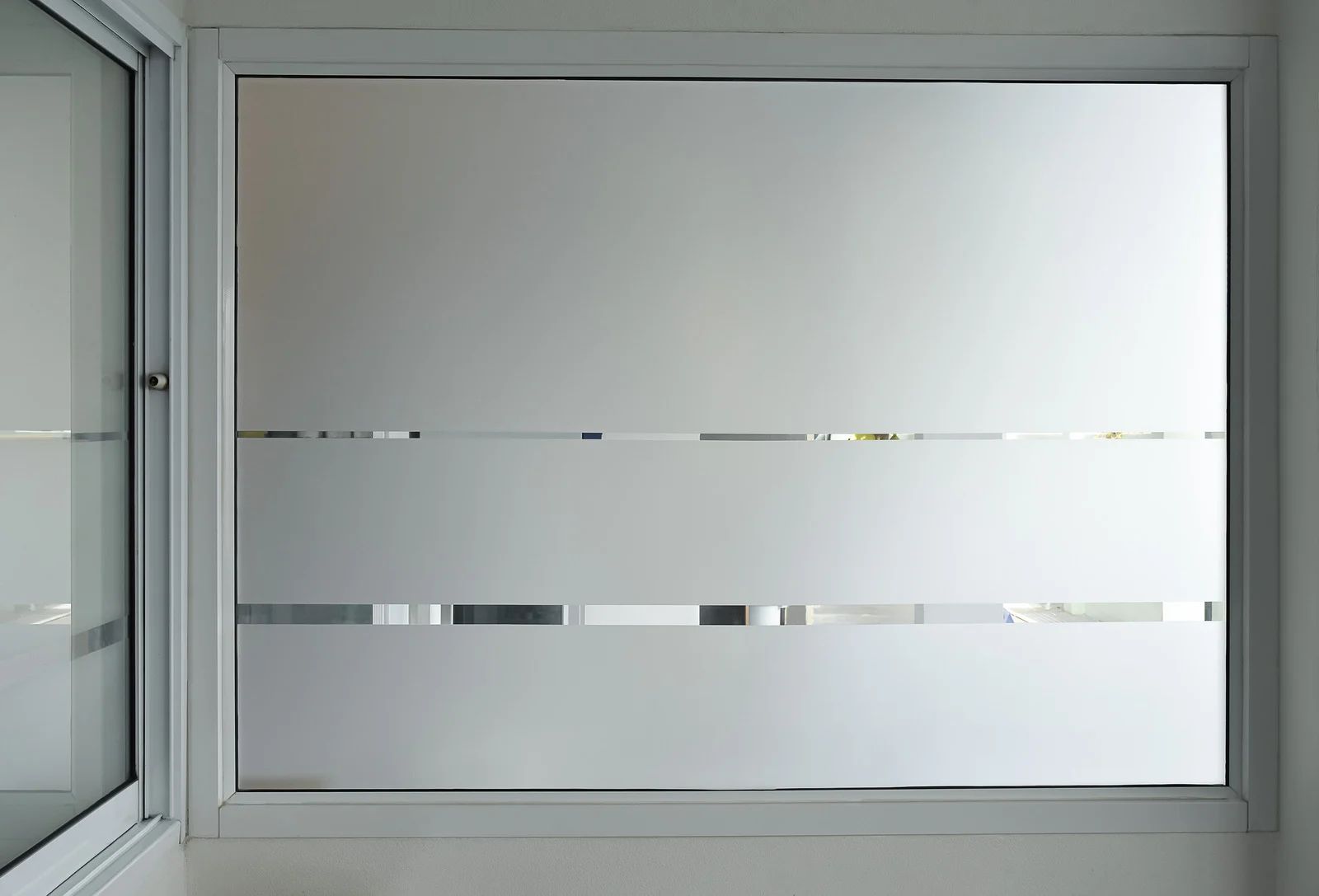
Safety and security window film is a specialized polyester-based film applied directly to existing glass surfaces. Unlike decorative or solar-control films that primarily focus on appearance and heat reduction, security films are engineered to strengthen glass and help hold shattered pieces together when impact occurs.
The film bonds to the glass surface through a strong adhesive system. When glass breaks, the film helps maintain the integrity of the pane by keeping fragments attached rather than allowing them to scatter across the surrounding area. This characteristic reduces injury risks and creates an additional barrier that can delay unauthorized entry attempts.
Modern safety films are available in different thicknesses, typically ranging from 4 mil to 15 mil or more. Thicker films generally provide greater resistance to impact and forced entry attempts, though performance varies depending on installation methods and glass specifications.
How Security Film Works
Many people mistakenly assume security film makes glass unbreakable. In reality, the glass may still crack or break under sufficient force. The key benefit lies in the film's ability to keep broken glass together.
When an impact occurs, the film absorbs and distributes energy across a larger surface area. Instead of creating an immediate opening, the shattered glass remains attached to the film, making penetration more difficult and time-consuming.
This delay can be extremely valuable during security incidents because it may discourage intruders, create additional response time, and alert occupants or security personnel before entry is achieved.
Evaluating Different Protection Levels
Protection Against Accidental Breakage
One of the most common applications for safety window film involves preventing injuries caused by accidental glass breakage.
Schools, healthcare facilities, retail stores, and residential properties frequently experience incidents involving accidental impacts. A child throwing a ball, furniture striking a window, or maintenance activities can all result in broken glass.
In these situations, safety film performs exceptionally well by reducing the likelihood of dangerous flying shards. The film helps contain broken glass and minimizes cleanup requirements while protecting nearby occupants.
Real-World Example
Consider a school hallway lined with large glass panels. If a student accidentally impacts a panel and causes it to crack, untreated glass may scatter across the floor. With properly installed safety film, much of the shattered material remains attached, reducing injury risks and helping maintain safer conditions until repairs can be completed.
Protection Against Severe Weather
Safety and security films also provide valuable protection during storms and extreme weather conditions.
Windborne debris can strike windows during severe storms, creating dangerous situations inside buildings. Security film helps hold broken glass together after impact, reducing the amount of debris that enters the structure.
However, it is important to recognize that standard safety film does not transform ordinary windows into hurricane-rated systems. Specialized combinations of glass, framing, and attachment systems are often required to meet strict storm-resistance standards.
Best Practice
Property owners located in regions exposed to severe weather should evaluate local building codes and consult professionals regarding the level of protection required. Security film may be an important component of a storm-preparation strategy, but it should not be viewed as the sole solution for extreme weather risks.
Security Applications and Forced Entry Resistance
Delaying Break-In Attempts
One of the strongest selling points of security window film is its ability to slow down forced-entry attempts.
Criminals often seek quick and easy access points. Standard glass can shatter rapidly, allowing immediate entry. Security film changes this dynamic by creating an additional obstacle that intruders must overcome after the glass breaks.
Instead of one impact creating a large opening, multiple strikes may be necessary to penetrate the filmed glass. This additional effort generates noise, attracts attention, and increases the likelihood that the intruder abandons the attempt.
Why Delay Matters
Security experts frequently emphasize that most criminals prefer opportunities requiring minimal time and effort. Every additional second spent attempting entry increases exposure and risk.
Even a brief delay can provide occupants with time to seek safety, activate alarms, contact emergency services, or allow security personnel to respond.
Understanding Limitations
Although security film improves resistance, it should not be viewed as a substitute for comprehensive physical security measures.
Determined attackers using specialized tools can eventually penetrate filmed glass. The film's purpose is to delay entry rather than guarantee prevention under all circumstances.
For properties requiring higher levels of protection, security film is often combined with reinforced frames, advanced locking systems, access controls, surveillance systems, and monitored alarms.
This layered approach creates a stronger security environment than relying on a single protective measure alone.
Security Film Versus Security Bars and Shutters
Security bars and shutters provide a different type of protection by creating physical barriers that prevent direct access to windows.
While highly effective, these systems can affect aesthetics, visibility, and emergency egress. Some building owners prefer security film because it preserves natural light and maintains the appearance of the property.
The ideal solution often depends on balancing security objectives with operational and architectural considerations.
Best Use Cases for Safety and Security Window Film
Commercial Buildings and Offices
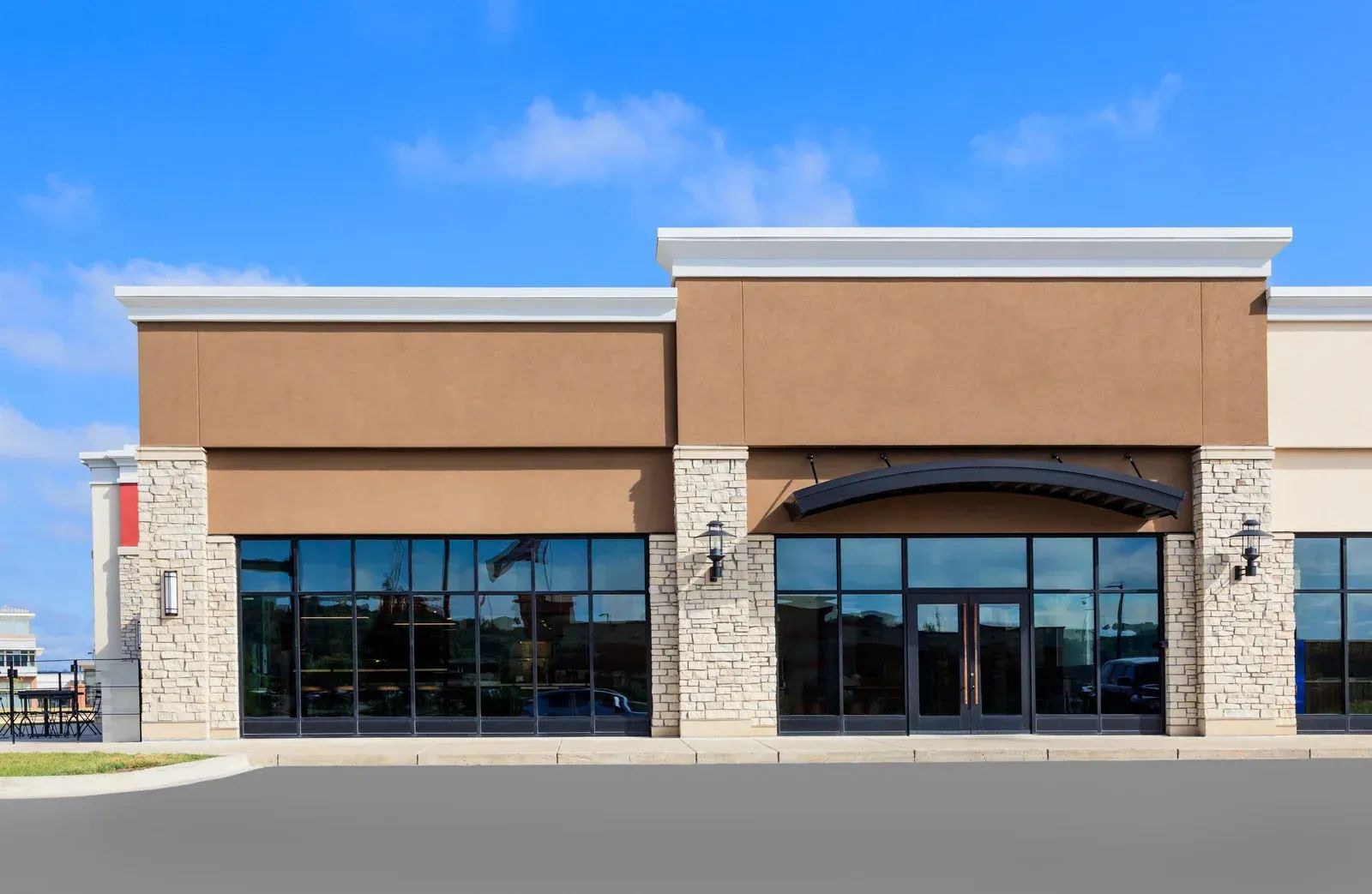
Commercial properties frequently contain valuable equipment, confidential information, and large numbers of occupants. Security window film provides an additional layer of protection without altering the appearance of the building.
Office managers often use security film on ground-floor windows, glass entryways, conference rooms, and reception areas where breakage or unauthorized access could create safety concerns.
In addition to security benefits, many films also offer UV protection, helping reduce interior fading and protecting furnishings from sun damage.
Retail Environments
Retail stores face unique challenges involving smash-and-grab theft, accidental impacts, and public safety concerns.
Security film can help limit damage during attempted break-ins by making entry more difficult. While it may not completely prevent determined criminals from gaining access, the additional resistance often creates enough delay to discourage opportunistic theft.
Retail Scenario
Imagine a storefront window targeted after business hours. Without protection, a single impact may create an opening large enough for immediate access. With security film installed, multiple strikes may be required, increasing visibility and drawing attention to the incident.
Schools and Educational Facilities
Educational facilities prioritize occupant safety above all else. Large areas of glass are common in modern schools, making glass protection an important consideration.
Safety and security film helps reduce injuries caused by accidental breakage while supporting broader security objectives. In emergency situations, reinforced glass can provide additional time for protective measures to be implemented.
Many educational institutions view window film as part of a comprehensive safety strategy rather than a standalone solution.
Residential Properties
Homeowners increasingly invest in security window film to improve protection against accidents, storms, and break-in attempts.
Sliding glass doors, patio doors, sidelights, and large residential windows are common installation locations. These areas often represent vulnerable access points that benefit from additional reinforcement.
For families with children, safety film also provides peace of mind by reducing risks associated with shattered glass during accidents.
Experienced Window Film Specialists Delivering Greater Protection
When evaluating whether safety and security window film is enough for a property, professional guidance makes a significant difference. Choosing the correct film type, thickness, installation method, and overall protection strategy requires experience and a thorough understanding of glass performance. At High Country Window Tint, we bring 30 years of expertise in the window tinting industry, helping property owners make informed decisions about safety, security, energy efficiency, and glass protection solutions.
Whether the objective is improving glass retention, strengthening vulnerable entry points, reducing risks associated with shattered glass, or creating a more comprehensive security plan, we provide reliable guidance backed by decades of industry knowledge. Our commitment to quality workmanship, professional installation, and customer education has helped establish High Country Window Tint
as a trusted authority for window protection solutions throughout the Colorado Springs area.