
Creative Ways Decorative Window Film Enhances Privacy Without Blocking Natural Light
Natural light plays a crucial role in shaping interior environments, influencing mood, productivity, and overall spatial comfort. However, maintaining privacy without sacrificing daylight has long been a challenge in both residential and commercial design. Traditional solutions like curtains, blinds, and tinted glass often reduce brightness or create a closed-off atmosphere, limiting the open feel that modern spaces aim to achieve. As architectural trends evolve toward transparency and minimalism, demand continues to grow for solutions that preserve visibility while ensuring discretion.
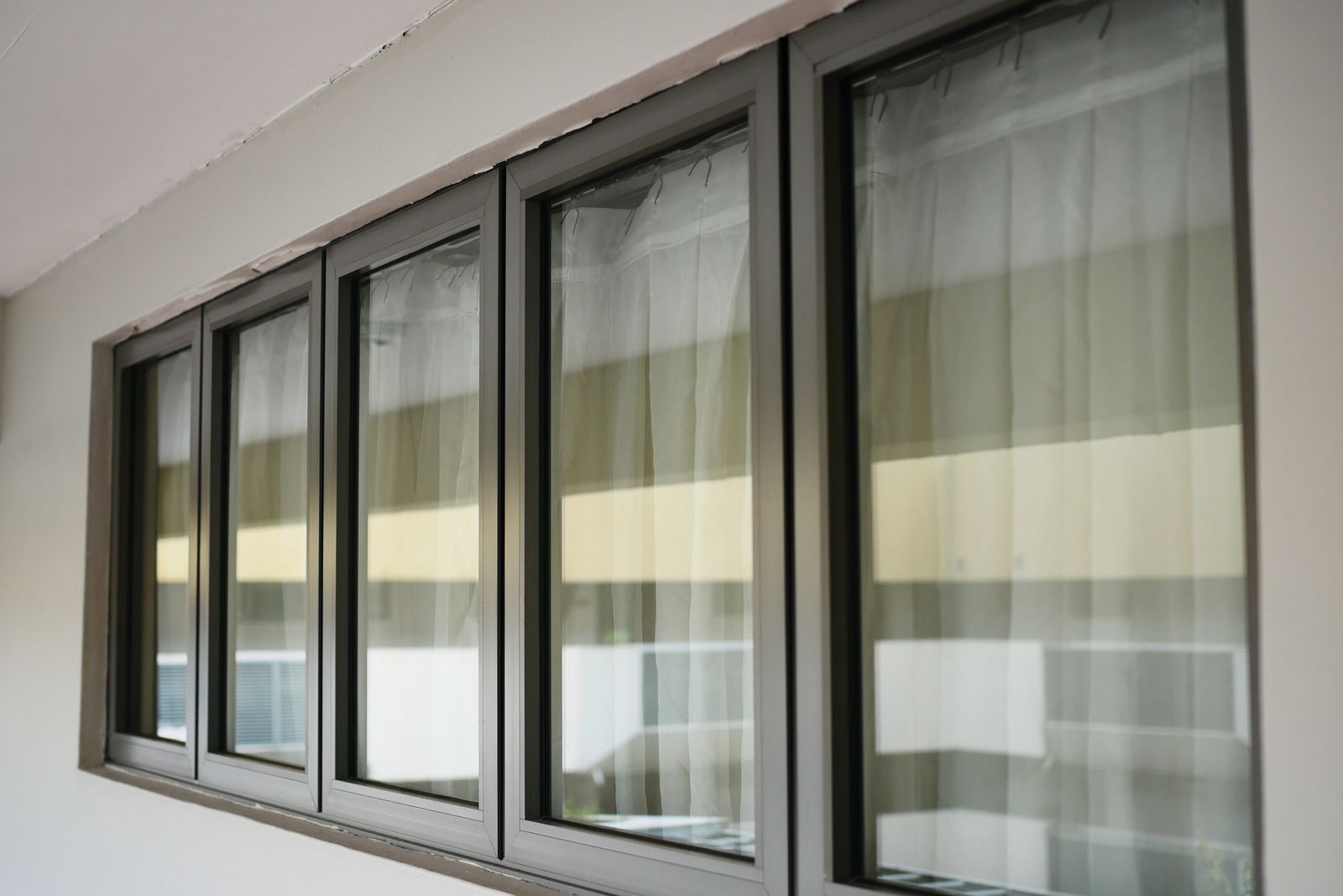
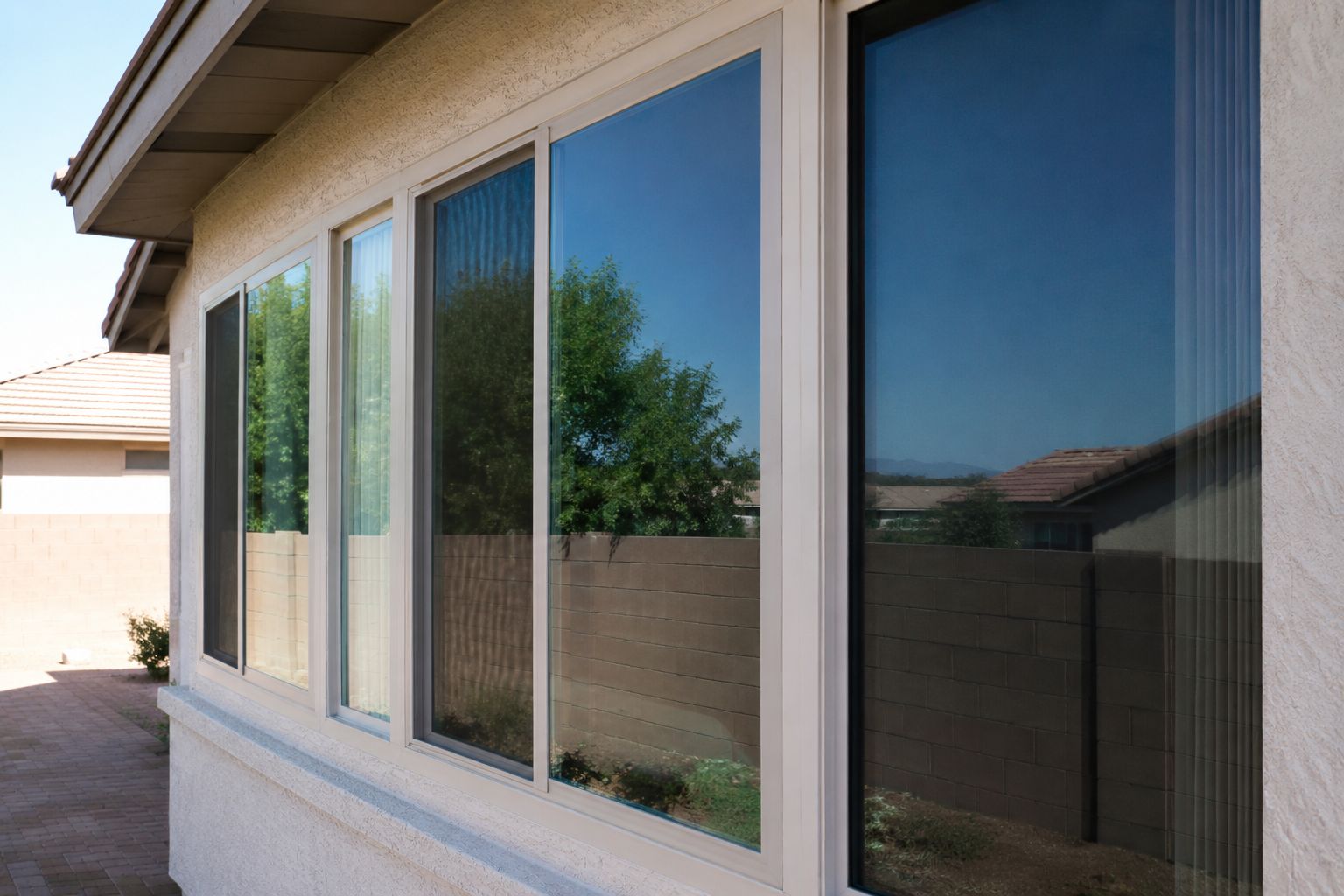
Decorative window film has emerged as a highly effective answer to this challenge. It allows light to pass through while strategically obscuring visibility, offering an elegant balance between openness and privacy. Available in a wide range of textures, patterns, and translucency levels, it transforms plain glass into a functional design feature. Beyond aesthetics, it also supports energy efficiency, glare reduction, and UV protection. This versatility makes it a preferred choice in homes, offices, retail spaces, and healthcare environments where both comfort and confidentiality matter.
By integrating modern design innovation with practical performance, decorative window film reshapes how glass surfaces are used. It enables brighter interiors without compromising privacy, setting a new standard in functional interior design solutions for contemporary spaces.
Balancing Privacy and Natural Light in Modern Spaces
Understanding Light-Filtering Technology
Decorative window film works through advanced light diffusion technology. Instead of blocking sunlight, it scatters and softens it, reducing direct visibility while preserving brightness in interior environments. This creates a translucent barrier that maintains privacy without making interiors feel dark or confined throughout daily use.
Privacy Without Isolation
One of the strongest advantages lies in achieving visual separation without physical separation. In office partitions or home bathrooms, decorative films allow occupants to feel secure without losing connection to natural surroundings and outdoor daylight. This balance is especially valuable in urban environments where buildings are closely spaced today.
Practical Applications in Everyday Settings
In residential spaces, it is often applied to street-facing windows, bathroom glass panels, and entry doors. In commercial environments, it is commonly used in meeting rooms, clinics, and reception areas where confidentiality is essential for daily operations. Retail stores also use it to create semi-private fitting rooms while maintaining an open storefront feel effectively.
Overcoming Traditional Limitations
Unlike curtains or blinds that must be adjusted throughout the day, window film provides a constant solution for privacy needs. It does not require maintenance during daily use and avoids the cluttered appearance of fabric-based coverings in modern interiors. This makes it ideal for contemporary minimalist interiors with clean design aesthetics.
Design Versatility and Aesthetic Transformation
Decorative Patterns and Visual Appeal
Modern decorative films are not limited to frosted finishes. They include geometric patterns, etched glass effects, gradient fades, and custom designs tailored for diverse spaces. These options allow glass to become a design feature rather than a plain functional surface in architectural interiors.
Custom Branding for Commercial Spaces
In corporate environments, decorative film can incorporate logos, branding elements, or privacy gradients that enhance identity while maintaining professionalism consistently. Glass walls in offices can reflect brand personality without overwhelming the space visually or reducing natural openness significantly.
Creating Spatial Zones with Style
Interior designers often use film to define zones within open layouts. Instead of building solid walls, semi-transparent partitions maintain openness while subtly separating workstations, lounges, or consultation areas in structured environments. This improves spatial flow without sacrificing visibility or light distribution.
Enhancing Architectural Features
Large glass panels, stair railings, and skylights can be transformed using film to add depth and texture for visual enhancement. This elevates the architectural character of a space without requiring structural modifications or costly renovations over time significantly.
Seasonal and Trend Flexibility
Another advantage is adaptability. Decorative films can be replaced or updated more easily than etched glass or permanent treatments used traditionally. This allows spaces to evolve with design trends or functional needs in residential and commercial settings efficiently.
Energy Efficiency, UV Protection, and Comfort Benefits
Reducing Heat and Glare
Decorative window film contributes to indoor comfort by filtering excessive sunlight and reducing glare on screens, workstations, and reflective surfaces effectively. This is particularly important in offices and home workspaces where screen visibility impacts productivity and daily comfort levels significantly.
Supporting Energy Efficiency Goals
By controlling solar heat gain, window film helps stabilize indoor temperatures throughout seasonal changes effectively. This reduces reliance on air conditioning systems during warmer months, contributing to more efficient energy consumption patterns over time in modern buildings sustainably.
UV Ray Protection for Interiors
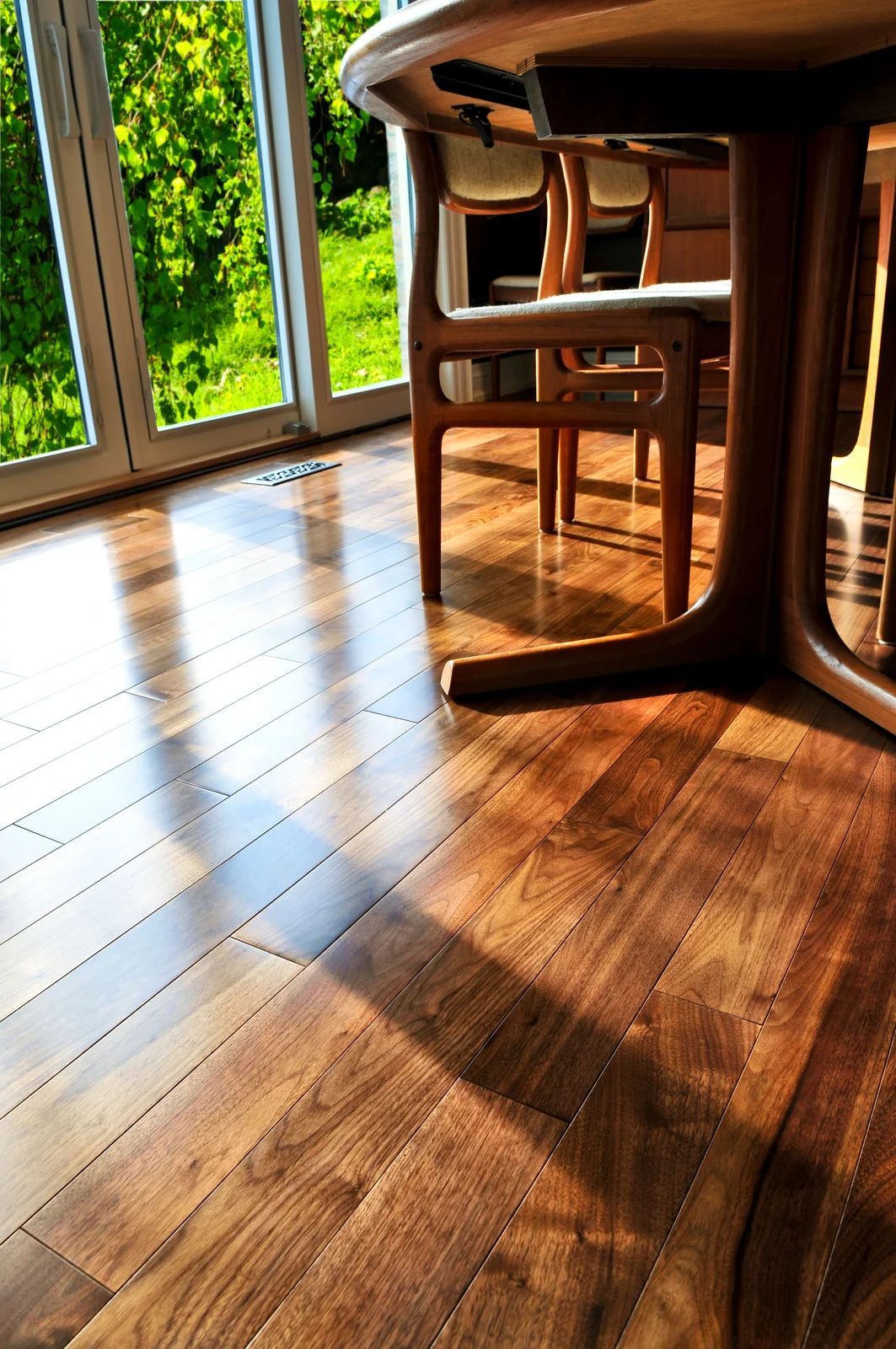
Prolonged exposure to ultraviolet radiation can fade furniture, flooring, and artwork placed indoors. Decorative films block a significant portion of UV rays, helping preserve interior finishes and extending the lifespan of valuable assets inside spaces consistently over years.
Enhancing Year-Round Comfort
During colder seasons, certain film types also assist in retaining indoor warmth by improving insulation at the glass surface efficiently. This dual functionality makes it a year-round solution for comfort optimization in residential and commercial environments effectively and reliably.
Health and Wellbeing Considerations
By reducing glare and UV exposure, window film contributes to a healthier indoor environment overall. It helps minimize eye strain and creates a more visually comfortable space for long-term occupancy across residential and professional settings consistently.
Installation, Maintenance, and Long-Term Performance
Professional Installation Importance
Proper installation ensures smooth adhesion, bubble-free application, and optimal optical clarity across glass surfaces. Precision in measurement and placement is critical to achieving a seamless finish that integrates naturally with the glass surface in all environments.
Surface Preparation and Application Process
Glass surfaces must be thoroughly cleaned before application to remove dust, oils, or residues effectively. This ensures strong bonding and prevents imperfections that could affect visibility or durability of the film over extended usage periods significantly.
Maintenance Simplicity
Once installed, decorative window film requires minimal maintenance for long-term performance. Routine cleaning with non-abrasive materials keeps the surface clear and visually appealing throughout daily use. Harsh chemicals or abrasive tools should be avoided carefully.
Durability and Longevity Factors
High-quality films are designed to withstand prolonged exposure to sunlight and temperature variations without degradation. With proper care, they maintain clarity and performance for many years without peeling or discoloration in most environmental conditions reliably.
Common Challenges and Solutions
Improper installation or low-quality material can lead to bubbling, fading, or edge lifting over time. Choosing professional-grade materials and expert installation significantly reduces these risks and ensures consistent performance in both residential and commercial applications effectively.
Privacy Optimization Strategies for Different Environments
Residential Optimization Techniques
In homes, decorative films are strategically placed in bathrooms, kitchen windows, and street-facing glass to balance privacy with natural illumination effectively. Gradient films are often used in living areas to maintain openness while limiting direct visibility from outside consistently.
Office and Corporate Applications
Workspaces benefit from segmented privacy solutions that support productivity and collaboration simultaneously. Meeting rooms, glass cabins, and collaborative zones use patterned or frosted films to reduce distractions while maintaining a transparent office culture throughout daily operations efficiently.
Healthcare and Professional Settings
Clinics and therapy rooms require higher privacy standards without creating an enclosed feeling for patients. Decorative films help achieve confidentiality while keeping spaces bright and welcoming for visitors and staff in healthcare environments consistently and effectively.
Retail and Hospitality Use Cases
Hotels, restaurants, and retail environments use decorative films to enhance ambiance while controlling visibility effectively. This allows for elegant interior presentation without compromising guest comfort or brand aesthetics in competitive service industries consistently and professionally.
Balancing Functionality with Design Intent
The key to effective use lies in selecting the right opacity level and design pattern based on spatial requirements carefully. Proper alignment with interior lighting and architecture ensures both aesthetic harmony and functional performance across diverse environments consistently.
Experienced Specialists Delivering Modern Decorative Glass Films
Decorative window film represents a practical and visually refined solution for achieving privacy without sacrificing natural light. It supports modern architectural demands by combining transparency control, energy efficiency, and design flexibility in a single application. Across residential, commercial, and specialized environments, it enhances comfort while maintaining openness and aesthetic balance. Its ability to reduce glare, protect interiors from UV damage, and redefine glass surfaces makes it an essential element in contemporary interior design strategies. When applied thoughtfully, it transforms ordinary glass into a dynamic design feature that supports both function and style. In an era where spaces are expected to be both efficient and visually appealing, decorative window film continues to stand out as a versatile and intelligent solution for long-term spatial improvement.
We at
High Country Window Tint, based in Colorado Springs, Colorado, bring decades of hands-on experience in delivering advanced window tinting solutions that align with modern architectural needs and performance expectations. Our focus remains on combining precision installation with high-quality materials that enhance both privacy and natural lighting in every space we work on. Each project is approached with a commitment to detail, ensuring that glass surfaces are transformed into functional and visually appealing design elements that support comfort, efficiency, and long-term durability. With a strong foundation built over 30
years in the window tinting industry, we understand the importance of balancing aesthetics with practical performance. Our expertise allows us to recommend and apply solutions that meet the unique needs of residential, commercial, and specialized environments. We continue to prioritize innovation, reliability, and customer-focused service, ensuring that every installation delivers lasting value and enhanced interior experience.