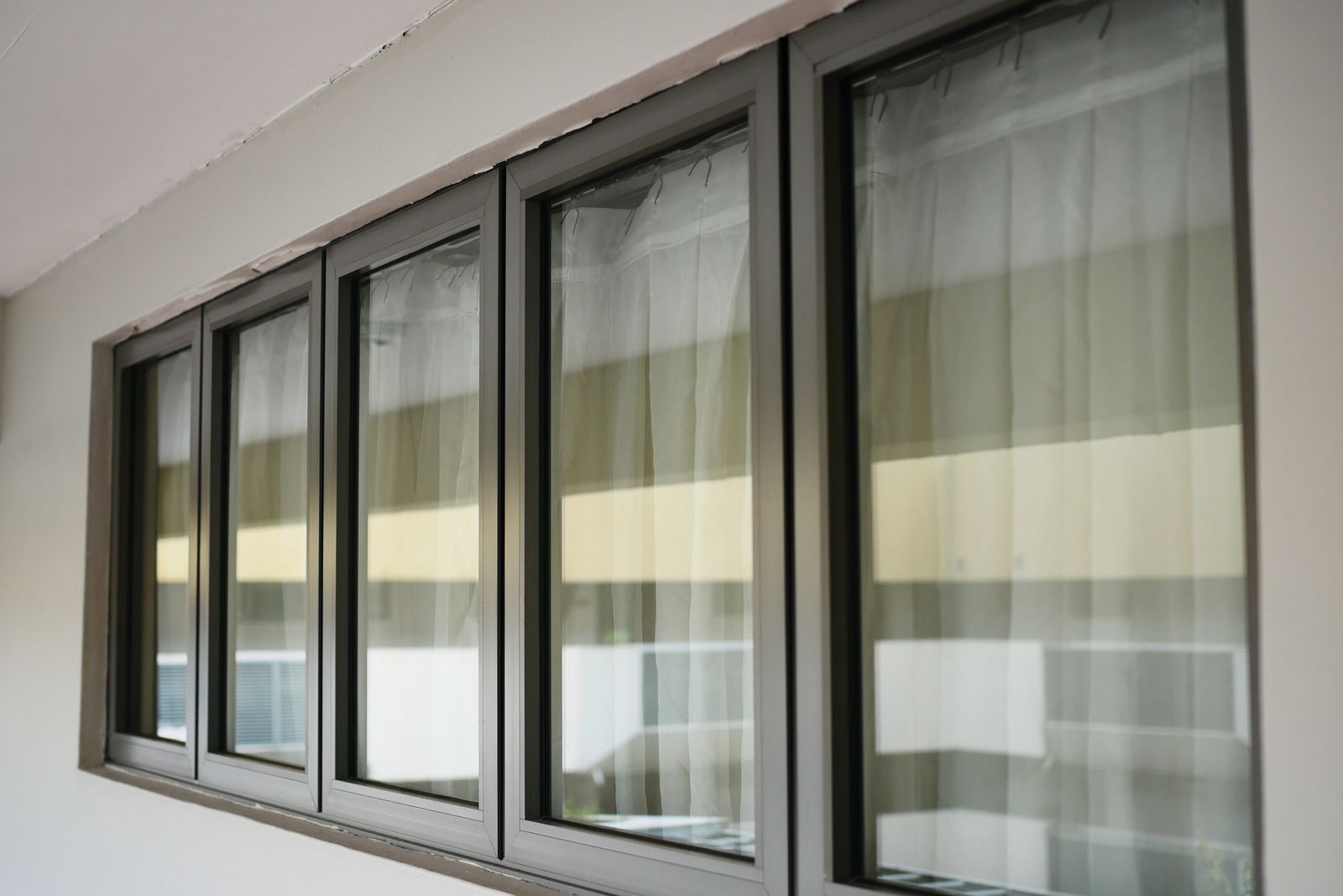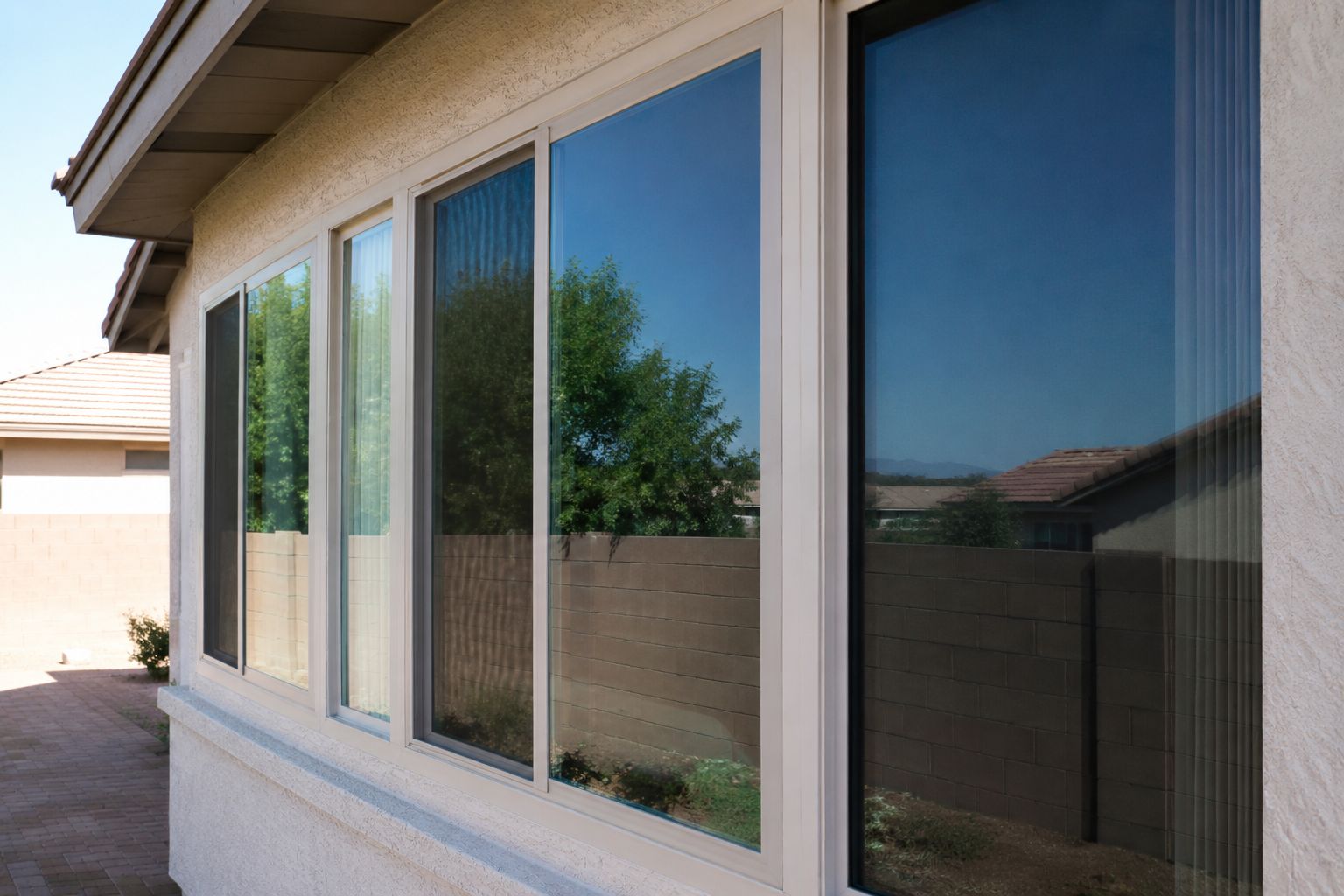

How Commercial Window Tinting Reduces Energy Costs and Enhances Workplace Productivity
Energy efficiency and employee well-being have become central priorities for modern commercial spaces. Businesses today are not only looking to reduce operational costs but also to create environments that support productivity, comfort, and long-term sustainability. Among the many building upgrades available, commercial window tinting stands out as a practical and cost-effective solution. By controlling solar heat gain, minimizing glare, and improving indoor temperature consistency, window tinting directly impacts both energy consumption and workplace performance.
In an era where rising utility costs and environmental concerns are reshaping business strategies, optimizing building efficiency is no longer optional. Commercial properties with extensive glass surfaces often struggle with overheating, uneven temperatures, and excessive reliance on HVAC systems. These challenges can lead to increased expenses and reduced employee satisfaction. Window tinting addresses these issues at their source, offering a balance between functionality and comfort. Understanding how this simple yet powerful upgrade contributes to energy savings and productivity can help decision-makers make informed investments that deliver measurable returns.
1. The Science Behind Commercial Window Tinting
1.1 How Window Tinting Works
Commercial window tinting involves applying a thin, specialized film to glass surfaces in offices, retail spaces, and large commercial buildings. This film is engineered to reflect, absorb, or block a portion of the sun’s infrared and ultraviolet radiation effectively. By reducing the amount of solar heat entering a building, window films help regulate indoor temperatures without compromising natural light or visibility.
Modern films are designed with advanced materials such as ceramic or metalized layers, which enhance performance without darkening interiors excessively or affecting exterior aesthetics. This ensures that businesses maintain a bright and welcoming atmosphere while still benefiting from improved energy efficiency and indoor comfort.
1.2 Types of Window Films for Commercial Use
Different environments require different solutions depending on usage, building design, and climate conditions throughout the year. Solar control films are commonly used to reduce heat and glare, while low-emissivity films improve insulation by retaining indoor heat during colder months. Decorative films can add privacy and branding elements, and security films enhance glass strength and impact resistance significantly.
Selecting the right type of film depends on building orientation, climate, and operational needs specific to each commercial property. A tailored approach ensures maximum performance, enhanced durability, and long-term value for energy savings and interior protection.
2. Reducing Energy Costs Through Solar Control
2.1 Lowering Cooling Expenses
One of the most significant benefits of commercial window tinting is the reduction in cooling costs for large and small commercial properties. Buildings with large windows often experience excessive heat gain, forcing HVAC systems to work harder throughout the day. Window tinting blocks a substantial percentage of solar heat, reducing the load on cooling systems and lowering overall energy consumption efficiently.
This reduction translates into immediate cost savings, especially during peak summer months when cooling demands are at their highest levels. Over time, the cumulative savings can offset the initial installation investment, making it a financially sound and strategic upgrade.
2.2 Improving HVAC Efficiency
When indoor temperatures remain stable, HVAC systems operate more efficiently and consistently without unnecessary strain or overuse. Frequent cycling caused by heat fluctuations not only increases energy use but also accelerates wear and tear on expensive equipment. Window tinting minimizes these fluctuations, allowing systems to maintain consistent performance and improved operational reliability.
This improved efficiency extends the lifespan of HVAC units, reducing maintenance costs and delaying expensive replacements over time. Businesses benefit from both short-term savings and long-term operational reliability with fewer system breakdowns and repairs.
2.3 Supporting Sustainability Goals
Energy reduction is closely tied to environmental responsibility and modern sustainability practices adopted by forward-thinking businesses today. By decreasing reliance on air conditioning, window tinting helps lower carbon emissions associated with excessive energy use in commercial buildings. This aligns with sustainability initiatives and can contribute to green building certifications and environmental compliance standards.
Organizations focused on corporate responsibility can leverage these improvements to enhance brand reputation while achieving measurable environmental impact and long-term sustainability goals.
3. Enhancing Workplace Comfort and Productivity
3.1 Eliminating Glare and Visual Discomfort
Excessive glare from sunlight can disrupt daily operations, particularly in offices where employees rely heavily on screens and digital devices. Glare causes eye strain, reduces visibility, and forces workers to adjust blinds or reposition workstations frequently throughout the day.
Window tinting reduces glare significantly, creating a more comfortable visual environment for employees working in various departments. Employees can focus on tasks without distractions, leading to improved efficiency, accuracy, and overall job satisfaction.
3.2 Maintaining Consistent Indoor Temperatures
Temperature inconsistency is a common issue in commercial spaces, especially those with large windows or open layouts. Areas near windows often become too hot, while interior zones remain cooler, creating an uncomfortable imbalance for employees. This imbalance can lead to discomfort and reduced productivity during working hours.
Window tinting helps equalize temperatures throughout the building, ensuring a more consistent and comfortable environment for everyone. Employees are less likely to experience fatigue or discomfort, which positively impacts performance, focus, and overall workplace morale.
3.3 Boosting Employee Well-Being
Comfortable work environments contribute significantly to overall well-being and long-term employee satisfaction in modern workplaces. Reduced heat, controlled lighting, and improved air quality create conditions that support concentration and reduce stress levels effectively.
Employees who feel physically comfortable are more engaged and productive in their daily responsibilities and collaborative efforts. By addressing environmental factors, businesses can create spaces that foster creativity, teamwork, and sustained focus across all departments.
4. Protecting Interior Assets and Reducing Hidden Costs
4.1 Preventing UV Damage
Ultraviolet rays can cause significant damage to interior furnishings, flooring, and equipment over extended periods of exposure. Over time, exposure leads to fading, discoloration, and material degradation that affects the overall appearance of commercial spaces.
Window tinting blocks a high percentage of UV radiation, preserving the condition of interior assets and valuable investments. This protection reduces the need for frequent replacements and repairs, resulting in additional cost savings for business owners.
4.2 Extending the Life of Office Equipment
Sensitive equipment such as computers, printers, and displays can be affected by heat and prolonged sunlight exposure in office environments. Excessive heat may lead to overheating, reduced efficiency, and potential system failures during critical operations.
By controlling solar heat, window tinting helps maintain optimal operating conditions for equipment, extending its lifespan and reducing costly downtime significantly.
4.3 Minimizing Maintenance Expenses
Lower exposure to heat and UV rays means less wear on materials and surfaces throughout the commercial property. Carpets, upholstery, and finishes retain their appearance for longer periods, reducing maintenance and replacement costs over time.
These hidden savings often go unnoticed but contribute significantly to the overall return on investment and long-term financial benefits for businesses.
5. Best Practices for Implementing Commercial Window Tinting
5.1 Conducting a Building Assessment
Before installation, it is essential to evaluate the building’s specific needs, structure, and environmental conditions thoroughly. Factors such as window orientation, climate conditions, and existing energy usage patterns should be carefully considered for optimal results.
A detailed assessment ensures that the selected film delivers optimal performance and addresses the most critical issues affecting energy efficiency and comfort.
5.2 Choosing High-Quality Materials
Not all window films offer the same level of performance, durability, and long-term reliability in commercial applications. High-quality films provide better heat rejection, durability, and clarity without compromising visibility or aesthetics. Investing in premium materials ensures long-lasting results and minimizes the risk of peeling or discoloration over time.
Quality selection directly impacts both energy savings and aesthetic outcomes, making it a crucial decision for any commercial project.
5.3 Professional Installation Matters
Proper installation is crucial for achieving the desired results and ensuring the long-term performance of window tinting solutions. Poorly applied films can lead to bubbles, uneven coverage, and reduced effectiveness that affects overall efficiency.
Working with experienced professionals ensures precise application and adherence to industry standards and best practices. This guarantees that the film performs as intended and maintains its appearance over time without issues.
5.4 Monitoring and Maintenance
While window films require minimal maintenance, periodic inspections help ensure continued performance and effectiveness over the years. Cleaning with appropriate materials and checking for any signs of wear can extend the lifespan of the installation significantly.
Proactive maintenance protects the investment and ensures consistent benefits in terms of energy savings, comfort, and long-term durability.
Trusted Experts Delivering Long-Term Commercial Tinting Value
Commercial window tinting offers a practical solution for businesses seeking to reduce energy costs while enhancing workplace productivity. By controlling solar heat, minimizing glare, and protecting interior assets, window films address multiple challenges simultaneously. The result is a more efficient, comfortable, and sustainable environment that supports both operational goals and employee well-being. Investing in window tinting is not just about immediate savings—it is about long-term value. Businesses that prioritize these improvements position themselves for greater efficiency and competitiveness in an increasingly demanding market.
With over 30
years of experience, High Country Window Tint
has established a reputation for delivering reliable, high-performance window tinting solutions tailored to commercial needs. Based in Colorado Springs, Colorado, our approach focuses on precision, quality materials, and a deep understanding of building performance. We work closely with clients to identify energy inefficiencies and implement solutions that provide measurable results. Our expertise ensures that every installation not only enhances energy savings but also contributes to a more comfortable and productive workplace. By choosing us, businesses gain a trusted partner committed to long-term value, professional excellence, and sustainable building improvements.