
Why Commercial Buildings Are Turning to Window Tinting for Energy Efficiency and Comfort
Energy efficiency and occupant comfort have become defining priorities in modern commercial building management. Rising utility costs, stricter sustainability regulations, and growing awareness of environmental responsibility are prompting property owners and facility managers to rethink traditional building performance strategies. Among the most practical and cost-effective solutions gaining traction is professional window tinting. Once primarily associated with privacy and glare reduction, advanced window films now play a central role in improving thermal performance, reducing energy consumption, and enhancing overall indoor environments.
Commercial structures often feature expansive glass surfaces that allow natural light to enter but also contribute to unwanted heat gain, glare, and uneven temperature distribution. These challenges can lead to increased reliance on HVAC systems, higher operational expenses, and decreased workplace productivity. Window tinting offers a strategic response by optimizing solar control without compromising aesthetics or visibility. As businesses seek ways to balance operational efficiency with occupant well-being, this technology continues to prove its value across offices, retail spaces, healthcare facilities, and educational institutions. Understanding why commercial buildings are increasingly adopting window tinting provides valuable insight into evolving construction practices and long-term property performance goals.
The Role of Window Tinting in Modern Energy Management
Understanding Solar Heat Gain and Building Performance
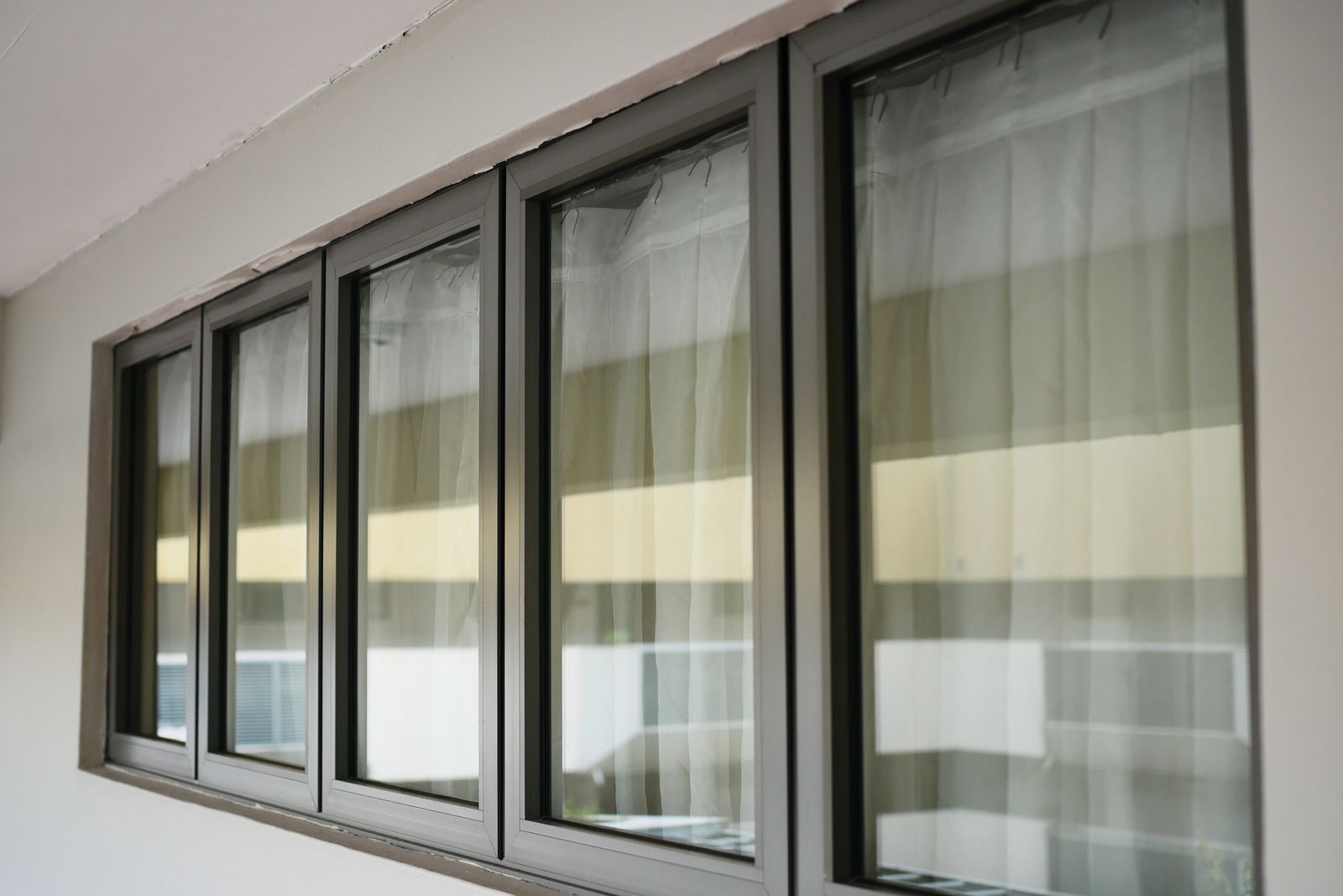
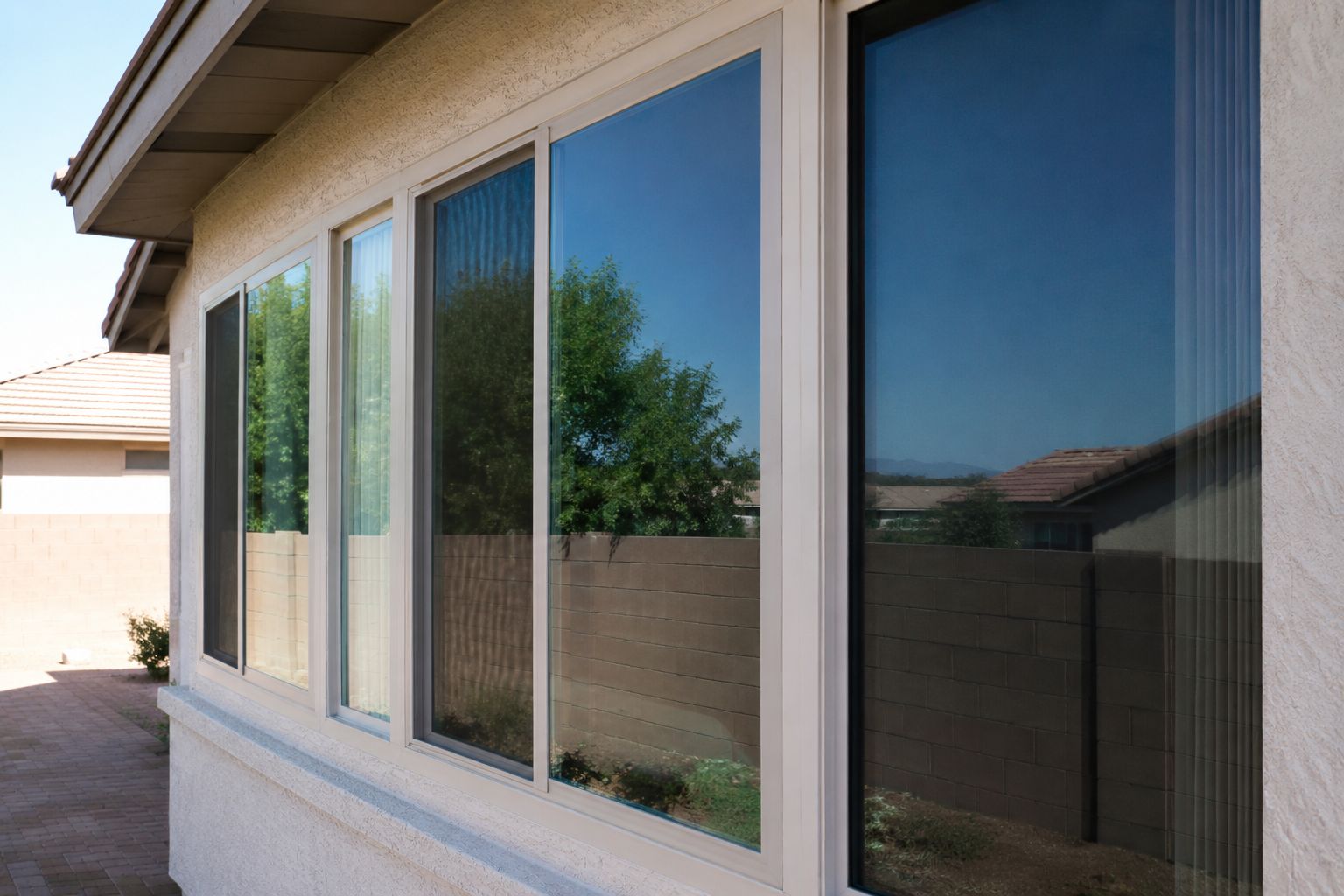
Large windows can significantly influence how a commercial building responds to external climate conditions and seasonal weather fluctuations. Solar heat gain occurs when sunlight passes through glazing systems and converts into internal heat, raising indoor temperatures. In warmer months or sun-exposed orientations, this process can place immense strain on cooling systems and energy infrastructure. Window tinting helps regulate solar radiation by reflecting or absorbing a portion of incoming heat before it penetrates interior spaces.
By stabilizing indoor thermal conditions, tinted windows support more consistent HVAC operation across diverse commercial building environments. Instead of reacting to sudden temperature spikes, climate control systems can maintain balanced performance, which improves energy efficiency and extends equipment lifespan considerably. Over time, reduced mechanical strain contributes to lower maintenance costs and improved system reliability for facility operators.
Reducing Energy Consumption Through Passive Solutions
Passive energy strategies are gaining recognition because they address efficiency challenges without requiring constant mechanical intervention or energy-intensive adjustments. Window tinting exemplifies this approach by improving building envelope performance and overall thermal resistance properties. When heat transfer is minimized, less energy is required to achieve occupant comfort throughout the working day.
For example, a commercial office tower with significant sun exposure may experience peak cooling demand during afternoon hours and high occupancy periods. Installing high-performance window films can mitigate these peaks, enabling facility managers to optimize energy usage patterns effectively. This not only reduces operational expenses but also aligns with sustainability benchmarks increasingly expected in competitive commercial real estate markets.
Enhancing Workplace Comfort and Productivity
Managing Glare Without Sacrificing Natural Light
Glare is one of the most common comfort complaints in glass-intensive commercial environments with open layouts and collaborative workspaces. Direct sunlight reflecting off screens, desks, and polished surfaces can disrupt concentration and reduce visual clarity for employees. Window tinting allows natural daylight to remain a functional asset while filtering excessive brightness that causes discomfort and fatigue.
In modern workplaces where digital devices are integral to daily operations and workflow continuity, glare control becomes critical for maintaining productivity. Employees working near windows often experience fewer visual interruptions when tinted films are professionally installed. This creates a more balanced environment that supports both collaboration and focused tasks across departments.
Supporting Consistent Indoor Temperature Distribution
Uneven temperature zones are another challenge in large commercial spaces with extensive glazing and varied interior layouts. Areas near windows may become significantly warmer than interior sections, leading to occupant dissatisfaction and frequent thermostat adjustments. Window tinting helps equalize temperature distribution by limiting heat intrusion at the perimeter of the building envelope.
Retail stores, for instance, benefit from stable indoor climates that enhance customer comfort and encourage longer browsing times and repeat visits. Similarly, healthcare facilities rely on controlled environments to ensure patient well-being and operational compliance. In these contexts, improved thermal balance contributes to both operational effectiveness and user satisfaction across diverse occupancy needs.
Financial Advantages and Long-Term Return on Investment
Lower Utility Costs and Operational Savings
Energy-efficient upgrades are often evaluated based on their return on investment and measurable performance outcomes. Window tinting delivers measurable financial benefits by reducing cooling loads and improving overall energy performance in demanding commercial settings. While installation represents an upfront expense, the resulting decrease in utility bills can generate substantial savings over time.
Commercial properties with high energy demand may see noticeable reductions in monthly operating costs after implementing solar control films strategically. These savings can be reinvested into other building improvements, strengthening overall asset value and long-term competitiveness. Additionally, predictable energy consumption patterns support more accurate budgeting and financial planning for property stakeholders.
Protecting Interior Assets and Reducing Replacement Expenses
Ultraviolet radiation can accelerate fading and deterioration of interior furnishings, flooring, and merchandise displays in sun-exposed commercial environments. Window tinting blocks a significant portion of harmful UV rays, helping preserve materials and maintain aesthetic quality over extended periods.
In environments such as showrooms or hospitality venues, maintaining visual appeal is essential for brand perception and customer engagement. By extending the lifespan of interior assets, tinted windows reduce the frequency of replacements and refurbishment projects significantly. This contributes to long-term cost efficiency while supporting consistent presentation standards expected by visitors and clients.
Sustainability Goals and Environmental Responsibility
Aligning with Green Building Standards
Commercial property owners are increasingly pursuing certifications and sustainability initiatives that demonstrate environmental accountability and responsible operational practices. Window tinting supports these objectives by improving energy performance metrics and reducing carbon emissions associated with excessive cooling demand.
Buildings designed or retrofitted with efficiency-focused solutions are better positioned to meet regulatory expectations and evolving tenant preferences. Organizations seeking to demonstrate corporate responsibility often prioritize upgrades that deliver measurable environmental benefits without major structural changes or disruptions.
Minimizing Carbon Footprint Through Reduced Energy Demand
Every kilowatt-hour saved contributes to a smaller environmental impact and improved long-term resource conservation efforts. By lowering dependence on energy-intensive climate control systems, window tinting helps commercial facilities reduce overall emissions significantly. This is particularly relevant in urban areas where dense development intensifies heat absorption and energy consumption patterns.
Educational campuses, corporate headquarters, and municipal buildings increasingly adopt window films as part of broader sustainability strategies and modernization initiatives. These efforts reflect a growing understanding that incremental efficiency improvements can collectively drive meaningful environmental progress at scale.
Design Flexibility and Aesthetic Integration
Maintaining Architectural Appeal While Improving Performance
Modern window films are engineered to complement diverse architectural styles and contemporary façade design requirements. From reflective finishes that enhance contemporary facades to neutral tones that preserve transparency, tinting solutions can be customized to align with design intent effectively.
Architects and property developers often seek upgrades that enhance performance without altering a building’s visual identity or structural harmony. Window tinting achieves this balance by delivering functional improvements while maintaining or even elevating exterior aesthetics subtly. This versatility makes it suitable for both new construction and retrofit applications across industries.
Supporting Privacy and Security Considerations
Beyond energy efficiency, tinted windows can enhance privacy in commercial settings where discretion and confidentiality are important. Conference rooms, executive offices, and financial institutions benefit from controlled visibility that protects sensitive activities and information flow. Some films also strengthen glass surfaces, providing an additional layer of security against accidental breakage or impact.
For commercial tenants, these advantages translate into greater confidence in building infrastructure and workplace safety standards. By addressing multiple operational needs simultaneously, window tinting reinforces its reputation as a comprehensive performance solution rather than a single-purpose upgrade.
Experienced Commercial Tinting Specialists Enhancing Comfort And Performance
Commercial buildings are increasingly embracing window tinting as a strategic solution to improve energy efficiency, occupant comfort, and long-term financial performance. By reducing solar heat gain, stabilizing indoor temperatures, and minimizing glare, advanced window films help create environments that support productivity and operational consistency. The financial benefits, including lower utility expenses and extended asset lifespan, further strengthen the case for adoption.
In addition to economic advantages, window tinting contributes to sustainability initiatives by lowering energy demand and supporting environmentally responsible building practices. Its ability to integrate seamlessly with architectural design while addressing privacy and security needs adds to its versatility. As commercial property owners continue to prioritize performance-driven upgrades, window tinting stands out as a practical investment that delivers measurable value. Understanding its multifaceted benefits allows decision-makers to implement solutions that align with evolving industry standards and future-ready facility management strategies.
With decades of hands-on expertise in professional window film solutions, we at High Country Window Tint
deliver performance-focused installations that help commercial properties achieve measurable energy savings and superior indoor comfort. Serving businesses throughout Colorado Springs, Colorado, our approach combines technical precision with deep industry knowledge gained over 30
years of real-world application. We understand that every commercial structure presents unique challenges related to solar exposure, glazing design, and operational demands. That is why our process emphasizes detailed evaluation, customized film selection, and meticulous installation standards that ensure long-term reliability. Our commitment extends beyond improving thermal efficiency; we aim to enhance occupant experience, protect valuable interiors, and support sustainable building goals. By choosing a trusted authority dedicated to quality workmanship and proven results, property owners gain confidence in solutions that truly optimize building performance.